Chamomile vs Lavender Tea: Which Is Better for Sleep?

Chamomile and lavender are the two most common herbs in an evening cup, and they are almost nothing alike. One works in the mouth. The other works in the room.
They are also the two most misunderstood of the botanicals used in evening blends, and one of them is far easier to get wrong than the other. Here is how they actually differ in taste, aroma, and the kind of night each one suits.
Chamomile vs Lavender Tea: Warm Comfort vs Floral Aroma
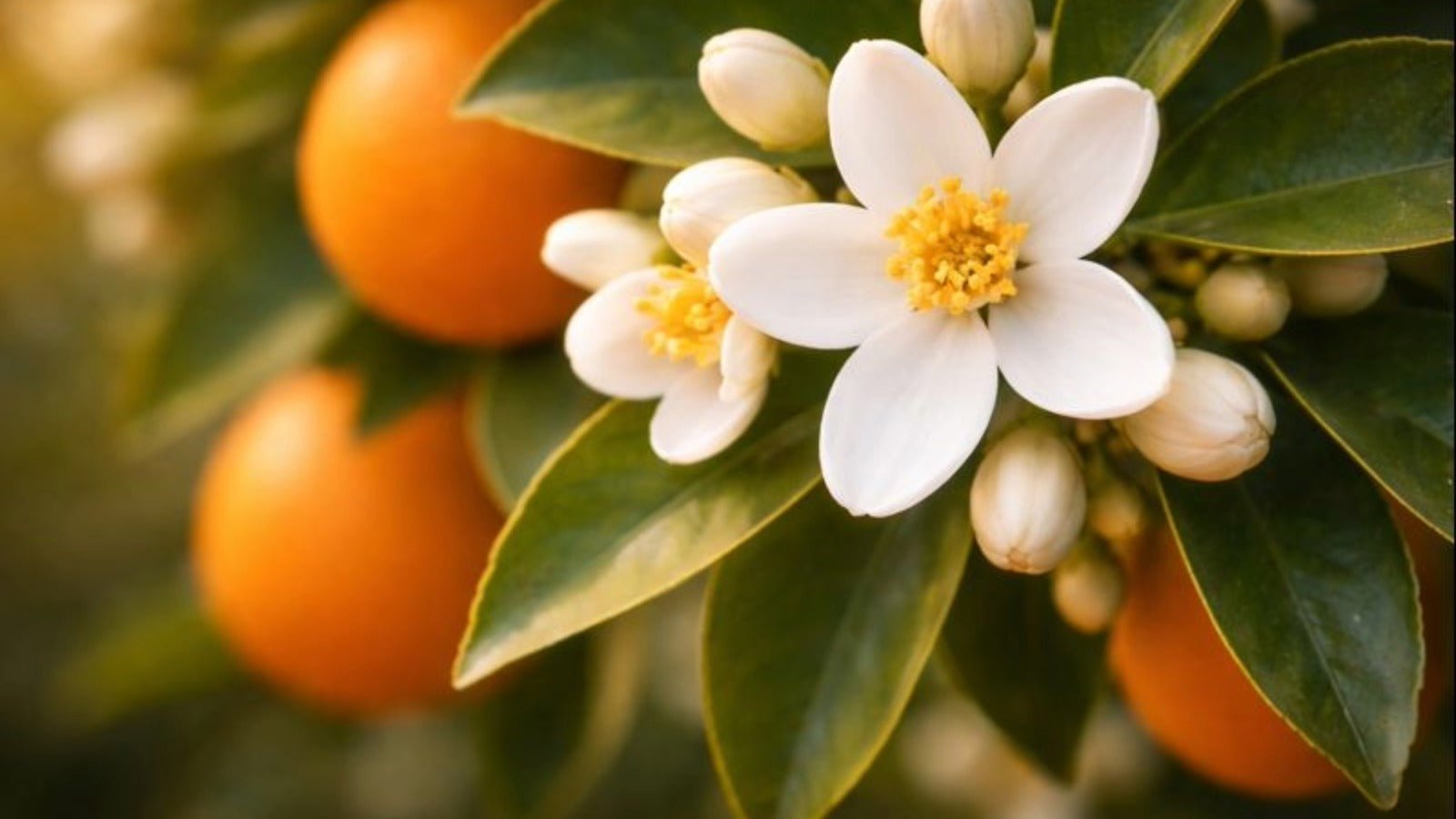
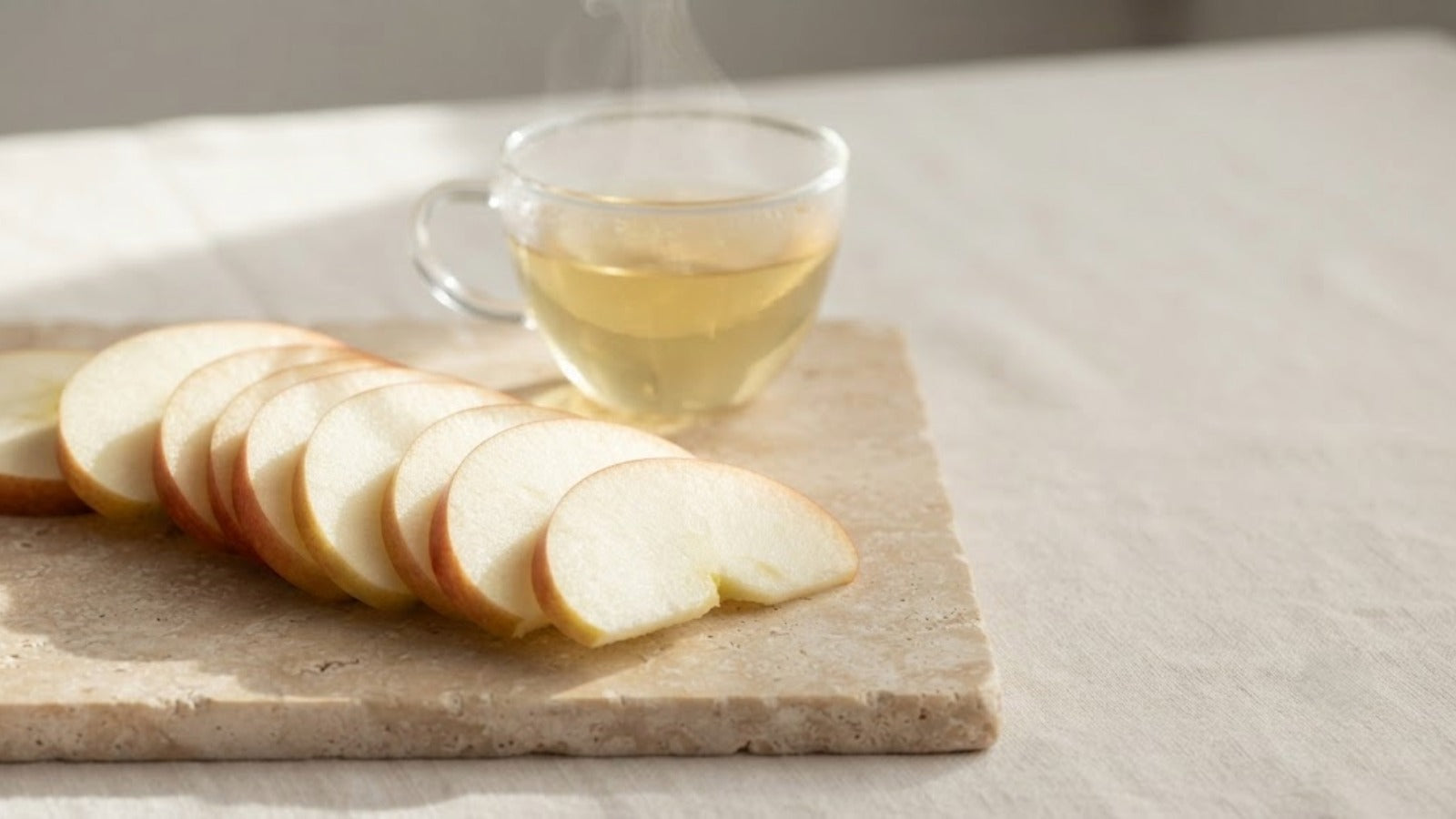
Chamomile suits evenings that lean toward stillness and familiar comfort. Its flavor is soft and mellow, hay-sweet with a faint apple note, and it settles into the cup without asking anything of you. It arrives warm and it stays there.

Lavender moves differently. Its fragrance leads before the first sip, filling the air around the cup with a bright floral clarity, and it is still in the room after the tea is gone. The taste, when it arrives, is lighter than the smell promised.
One wraps around you. The other opens the space around you.
Here is the same difference laid out plainly, measured using 1 tbsp of whole botanicals in a covered 8 oz ceramic mug starting at 205°F.
| Chamomile | Lavender | |
|---|---|---|
| Taste | Hay-sweet with a faint apple note. Mellow, round, familiar. | Light and floral, noticeably softer than the aroma suggests. |
| Aroma behavior | Stays in the cup. Rises with the steam and goes no further. | Leaves the cup. Fills the room and lingers after the tea is finished. |
| Steep tolerance | Wide (5-10+ min). Low in tannins. Holds smoothness past 10 minutes; body deepens without turning bitter or sharp. | Narrow (2-5 min). Driven by linalool and linalyl acetate, which tip from floral to soapy past roughly 5 minutes. |
| Role in a blend | Base. Carries a blend or stands alone. | Accent. Needs something sweet and round underneath it. |
| Failure mode | Watery. Too little, or pulled too early. | Soapy. Too much, or left too long. |
Chamomile: Warm, Golden, and Grounding
Chamomile is the forgiving flower. Its small blossoms release easily into hot water, giving a clear golden infusion with an aroma that is apple-skin and dried meadow, and there is almost no way to ruin it. The reason is tannins, or the lack of them: chamomile carries far fewer than a black tea, so the compounds that turn an over-steeped cup sharp are barely present. Steep it too long and it gets a little stronger.

That reliability is the point. Chamomile asks nothing of you at the end of a long day, which is when you have the least to give, and that forgiveness is why the flower has been the default evening herb for as long as people have been drinking herbs in the evening. Not the most interesting thing in the cabinet. The most dependable.
Lavender: Aromatic, Floral, and Airy
Lavender works the other way. Its aroma arrives fast and travels far, distinctly floral, faintly herbal, and it shapes the room as much as the cup. Used well, lavender is the most beautiful thing in an evening blend.

Used badly, lavender tastes like soap, and this is the thing nobody tells you. The cause is two aromatic compounds, linalool and linalyl acetate, which produce the flower's floral character in small amounts and a perfumed, soapy one in large amounts. Lavender has almost no margin. A little too much, or a steep a few minutes too long, and the floral character tips into something no amount of honey will fix. Most people who say they dislike lavender tea have never had a properly restrained cup.
Restraint is why lavender almost always appears as an accent in a blend rather than a solo infusion. Lavender needs a small hand and something sweet underneath to hold the aroma in place.
Chamomile, Lavender, and the Evening Around Them
Most people arrive at these two plants with sleep somewhere in mind. What a cup can actually shape is the twenty minutes before it, and those twenty minutes are worth more than most people give them credit for. Call it the wind-down window: the stretch between the end of the day and the start of sleep, which is short enough to shape deliberately and long enough to matter.
The difference between the two plants decides how you shape it. Chamomile stays in the cup, warm and familiar and entirely yours, working on the small scale of a mug held in two hands. Lavender leaves the cup almost immediately and gets into the room, which is why the smell is still there after the tea is gone. One is something you drink. The other is something you sit inside.
The rest is the environment you build around the cup. Lower the lights. Put the phone somewhere else. Drink at roughly the same hour, night after night, until the cup stops being a decision and starts being the thing that means the day is over.
Chamomile or Lavender Tea: Which Should You Choose Before Bed?
Chamomile if you want the evening to feel familiar. Lavender if you want it to feel beautiful. In practice both are usually better inside a blend than on their own, and each of ours is built around one of them.
Moonlight Stillness™ is the chamomile cup. It goes dark and slow: honeyed date, vanilla, and a thread of warm cardamom, with chamomile running underneath to keep the blend familiar. Moonlight Stillness tastes the way a candlelit room feels.
Sacred Sanctuary™ is the lavender cup. Warm baked fruit lifted straight from the oven, ripe fig and soft pear folded into vanilla, with lavender held high above it in a small deliberate proportion that keeps the sweetness from ever closing in.
If the choice is the hard part, the Evening Ritual Sampler carries both, and you can settle the question a cup at a time.
A Gentle Close to the Evening
Both cups end the same way. Empty, warm at the bottom, somewhere near a lamp you have already turned down.
They are also only two of the plants that belong in a cup at this hour. If you are working out what belongs in yours, drinking tea at night is worth thinking through properly.
Editorial Disclaimer
This content is for informational and educational purposes only and reflects general perspectives on herbal tea, ritual practices, and related lifestyle traditions. It is not intended to offer medical advice, diagnose conditions, suggest health outcomes, or recommend treatments. Always consult a qualified healthcare professional with any questions regarding wellness, health conditions, or medical decisions.