Chamomile Tea: Soft Honeyed Warmth Before Bed

Chamomile is the botanical most people already associate with the evening, and that recognition is the first thing it brings to the cup. It arrives familiar. A gentle warmth, a softly rounded character, an aroma that stays close rather than filling a room. Nothing about it asks for attention. That association has been studied, and there is more to say about it than a cup of tea can carry. But what shapes the cup itself is simpler.
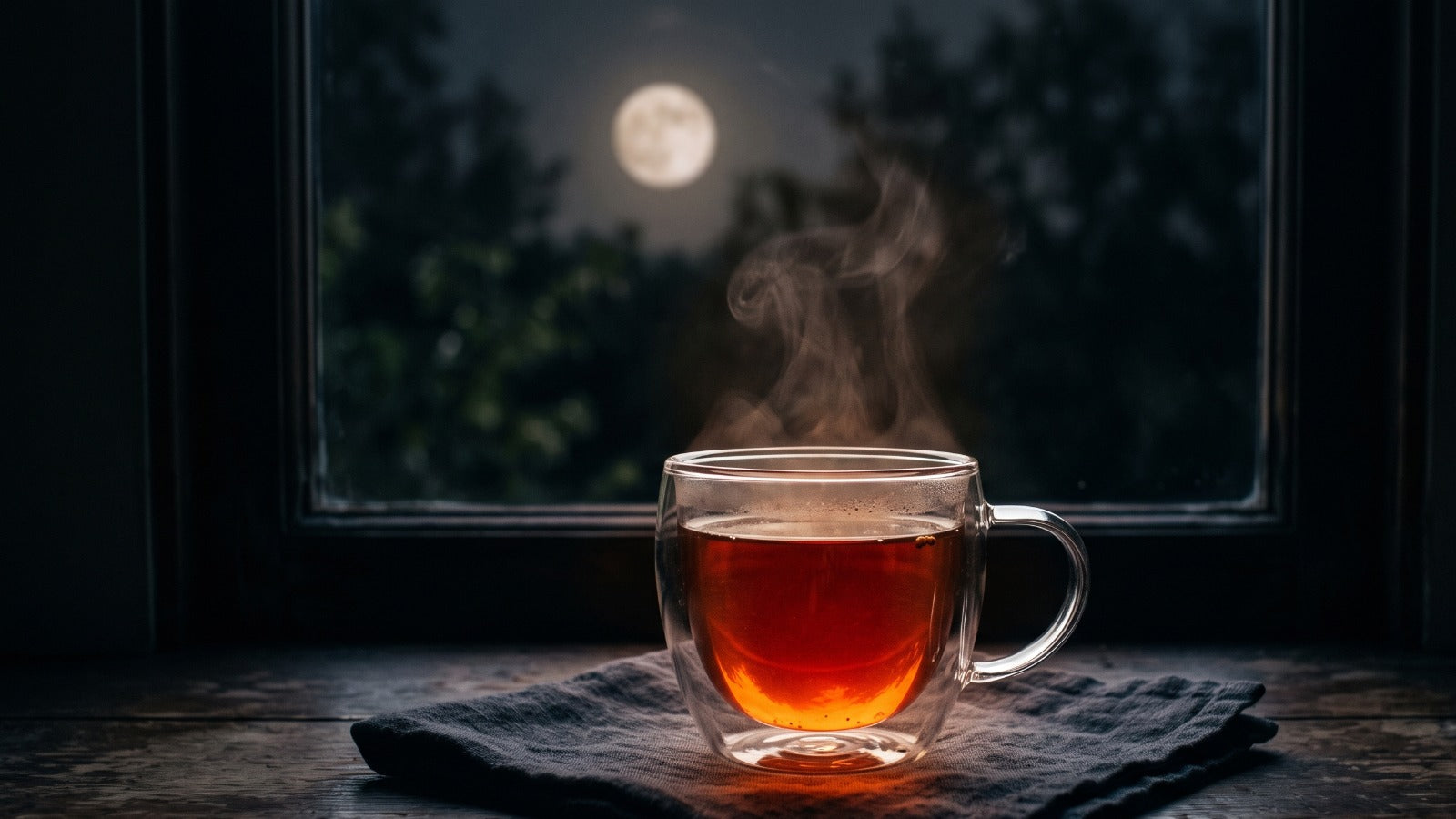
As the day recedes and spaces begin to quiet, the atmosphere of the evening turns toward comfort rather than transition. Chamomile fits naturally within this rhythm, and it sits among the most recognizable of the botanicals used in evening blends. Its golden infusion gathers softly in low light, and its mild floral aroma stays close to the cup, shaping the moment without contrast.
The Sensory Profile: Golden Color and Honeyed Warmth
Chamomile, harvested from the small daisy-like blossoms of the chamomile plant, brings a familiar floral softness to the evening cup. Its contribution is balanced and complete rather than dominant, shaping aroma, flavor, and body in a way that feels gentle, steady, and immediately recognizable. In evening compositions, chamomile functions as a stabilizing floral presence, offering cohesion without directing the blend.

Aromatic Character
Chamomile releases a mild floral aroma often compared to apple skin and dried meadow flowers. The scent rises gently with steam, remaining close to the cup rather than filling the room, contributing warmth without sweetness or lift.
Color in the Cup
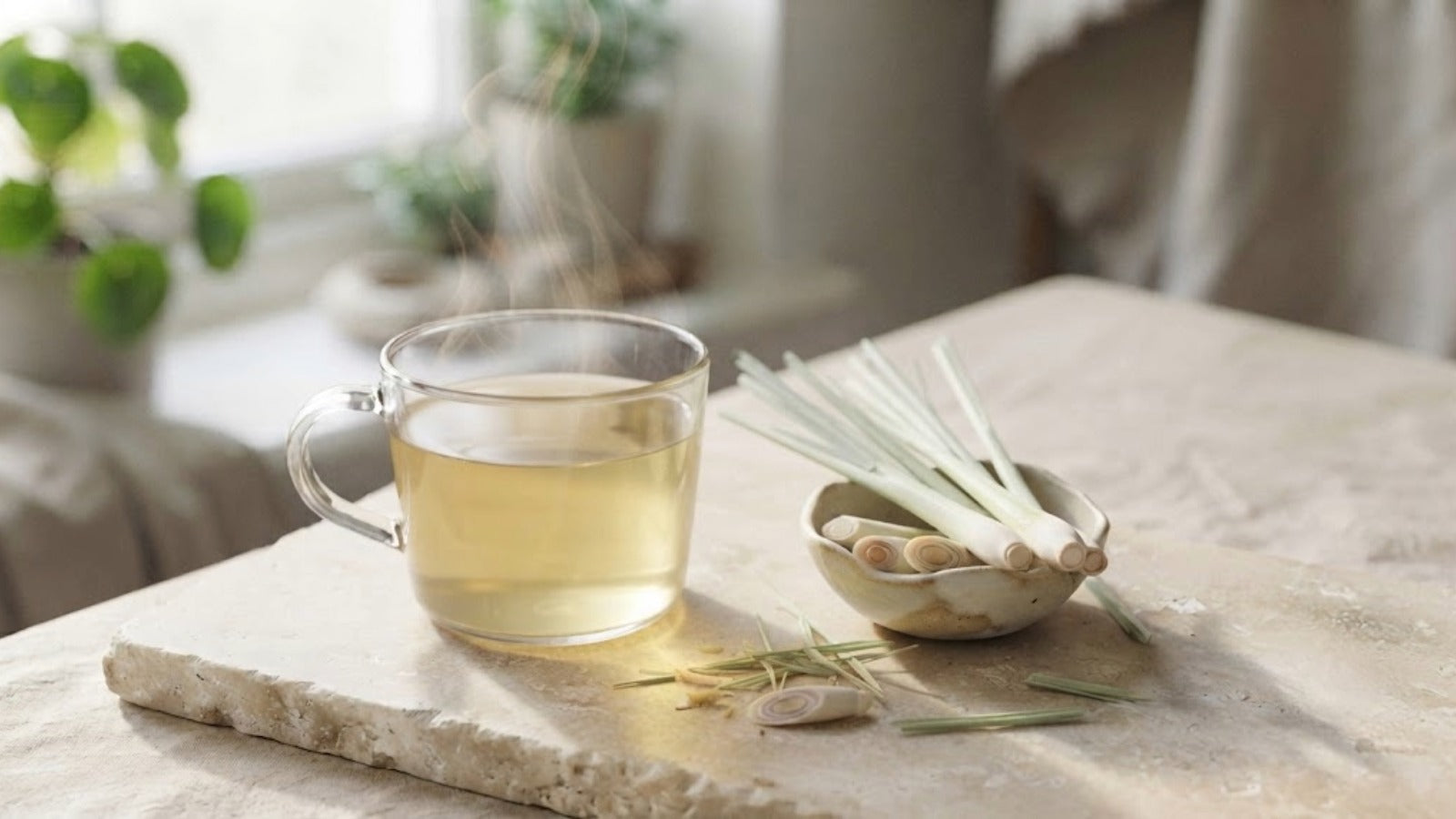
In the cup, chamomile yields a clear golden-yellow infusion that reflects evening light warmly, adding visual comfort without depth or opacity.
Flavor Profile
On the palate, chamomile tastes mellow and floral with light hay-like notes and a subtle honeyed sweetness. The flavor is even and approachable, unfolding without sharp edges or distinct peaks.
Weight & Presence
Chamomile produces an infusion that feels light yet complete. The body is smooth and softly rounded, giving the cup presence without weight or thickness.
Mouthfeel & Finish
The texture of chamomile remains smooth and consistent from first sip to last, encouraging unhurried drinking and reinforcing a sense of ease and familiarity.
Chamomile does not define the evening or move it forward. Where other botanicals mark thresholds, soften texture, or establish completion, chamomile’s expression stays steady and approachable, shaped for evenings grounded in routine, comfort, and quiet continuity.
How Chamomile Fits the Quiet Before-Bed Cup
Chamomile enters the evening cup as something already known. Unlike botanicals that reveal themselves slowly or through texture, chamomile is recognizable almost immediately, and its familiarity shapes the experience from the first pour. The aroma rises gently and stays close, creating a sense of ease through recognition rather than discovery.

In low light, chamomile’s clear golden infusion feels open rather than dense. The cup holds warmth without weight, offering visual reassurance instead of depth or containment. This clarity gives chamomile a distinct place among evening botanicals: it does not draw the senses inward through heaviness, nor lift them outward through brightness. It maintains a soft openness that keeps the evening calm, approachable, and unforced.
As the cup is sipped, chamomile’s evenness becomes its defining quality. Flavor, aroma, and heat remain consistent from beginning to end, with little sense of progression or dramatic change. This steadiness is what makes chamomile suit evenings shaped by routine rather than intention. The cup becomes part of the background rhythm of night, a familiar presence that allows the senses to settle into ease as the day closes.
Chamomile in Blending: Honeyed Warmth and Familiar Balance
Chamomile shapes evening blends through familiarity rather than structure or depth. It creates a recognizable center that allows other notes to settle without introducing contrast or direction.

With Fruits
When paired with fruits such as fig or pear, chamomile softens sweetness rather than amplifying it. The fruit remains mellow and rounded, while chamomile’s gentle floral character keeps the cup feeling approachable and calm instead of dessert-forward or rich.
With Flowers
Alongside other evening florals like linden or lavender, chamomile acts as a stabilizing presence. It grounds brighter or more aromatic blossoms, helping the floral profile feel familiar and cohesive rather than expressive or perfumed.
With Herbs
Herbal botanicals benefit from chamomile’s steadying influence. When combined with herbs such as lemon balm, chamomile smooths herbal edges and reduces sharpness, allowing the cup to feel gentle rather than bright or alert.
With Roots
When paired with roots like marshmallow root, chamomile lightens the blend while the root provides physical depth. The combination creates a cup that feels both comforting and composed, balancing familiarity with softness.
With Spices
When paired with warm spices such as vanilla or cardamom, chamomile softens aromatic edges rather than absorbing them. The spice remains present but feels gentler and more rounded, unfolding with less intensity and more familiarity.
Across these combinations, chamomile holds a consistent role. It does not anchor the blend through weight, nor guide it through contrast. It offers a familiar center that allows evening blends to feel calm, reliable, and easy to return to night after night.
The Evening Blend Built Around Familiar Floral Warmth
Chamomile earns its place in an evening blend by being the note you recognize before you have thought about it. It is the botanical that keeps a cup from feeling unfamiliar, no matter what else is in it.
Moonlight Stillness™ is where it does that work. Honeyed date and vanilla give the cup its sweetness, a thread of warm cardamom gives it depth, and chamomile runs underneath the whole thing, softening the edges and keeping the blend approachable from the first pour. It tastes the way a candlelit room feels: rich, enclosed, and immediately known.
A Soft, Familiar Flower for the Before-Bed Cup
Chamomile belongs to the evening not because it completes the day, but because it feels already at home within it. The clear golden color, the soft floral sweetness, the even character from first sip to last: none of it asks for attention, and that is precisely the point.
It is this kind of familiar presence that makes drinking tea at night feel less like a decision and more like a return. The cup does not conclude the day. It accompanies it.
Editorial Disclaimer
This content is for informational and educational purposes only and reflects general perspectives on herbal tea, ritual practices, and related lifestyle traditions. It is not intended to offer medical advice, diagnose conditions, suggest health outcomes, or recommend treatments. Always consult a qualified healthcare professional with any questions regarding wellness, health conditions, or medical decisions.