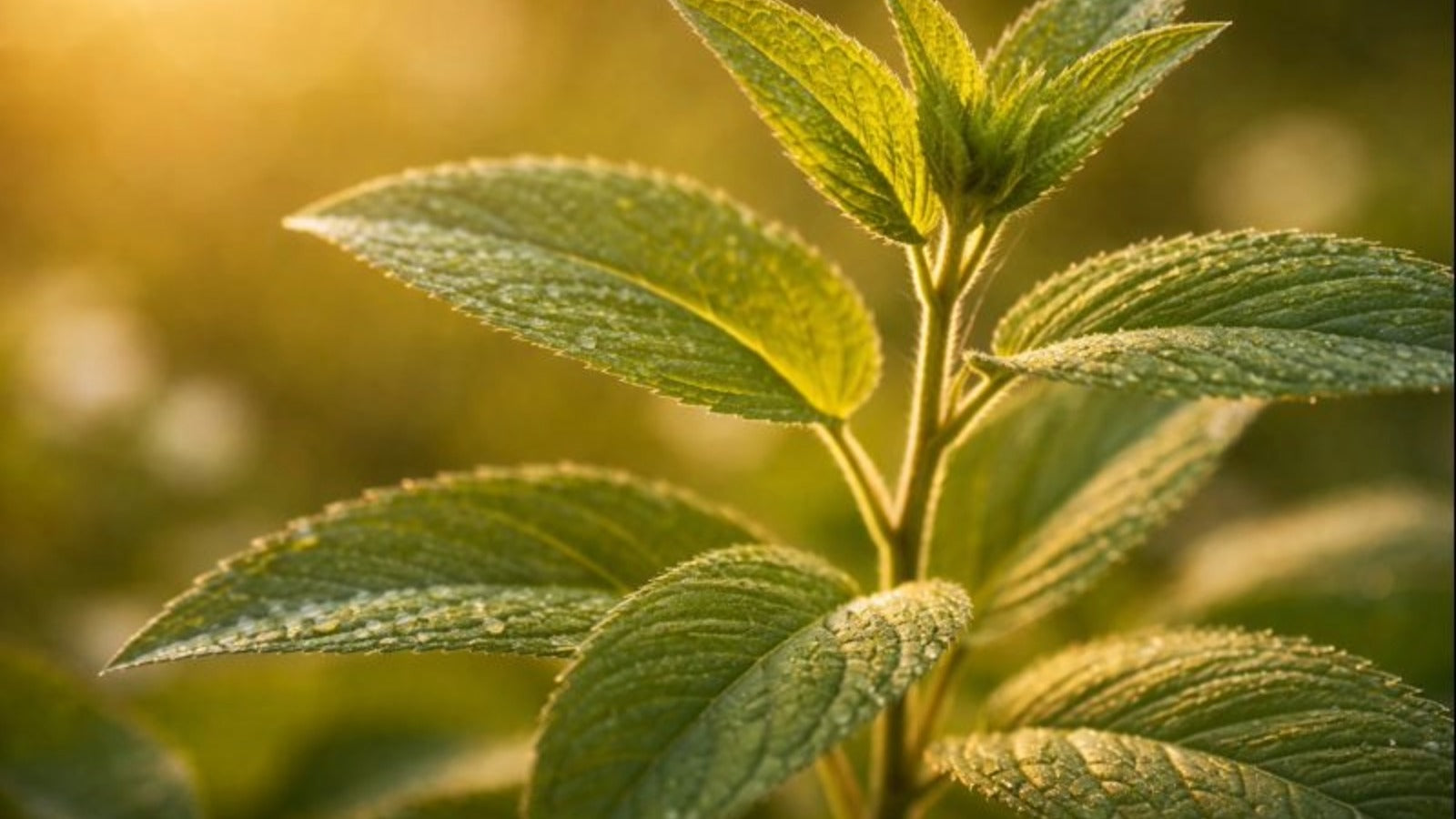
Lemongrass Herbal Tea: Clean Citrus Energy for Morning

Lemongrass enters the morning cup with a quiet, refreshing brightness. As the slender dried stalks meet hot water, the infusion settles into pale gold and releases a clean citrus aroma that rises like breath meeting cool air. The effect is lifted rather than vivid, bright yet unhurried.
Here is the thing worth knowing about it: neither of Purely's morning blends contains lemon, orange, or any citrus fruit at all. The citrus you taste comes entirely from a grass. Lemongrass is how a fruit-forward cup gets its edge, and it earns its place among the other morning herbal tea ingredients by keeping sweetness from turning soft.
What Lemongrass Tastes Like in Morning Tea: Citrus Brightness Without Citrus Fruit
Lemongrass reads as lemon without being lemon. It carries the lift and none of the acid, which is why it sharpens a blend rather than souring it.

Pale Golden Infusion
Lemongrass imparts a soft, luminous color to the cup. When the dried stalks meet hot water, the infusion settles into a pale gold that feels calm and transparent, a visual signal of clarity rather than intensity.
Clean Citrus Brightness
The first impression of lemongrass is its clear, citrus-forward lift. This brightness gives the blend a defined top line, sharpening fruit and lifting florals. The critical difference from actual citrus is acidity: lemon peel brings a pucker, lemongrass does not. It brightens without ever biting.
Herbal Green Freshness
Beneath its citrus clarity is an herbal green note that grounds the botanical. This grassy undertone is the reminder that lemongrass is a grass, not a fruit, and it is what keeps the citrus impression from reading as artificial.
The Edge in the Cup
Lemongrass sharpens. Fruit gains outline, florals gain definition, and warm botanicals gain a line to push against. Without it, a fruit-forward morning blend drifts toward sweetness with nothing to hold it in shape. Lemongrass is the cut in the composition.
How Lemongrass Blends with Other Botanicals
Lemongrass contributes a clean citrus line that connects the elements of a blend without overpowering them.

With Fruit
Lemongrass brightens fruit-forward blends by adding a clear, refreshing top note. With strawberry, peach, and apple, it sharpens juiciness. With pineapple and mango, it adds definition to their sunny character. Paired with coconut, it offers a fresh counterpoint that keeps the fruit profile light and morning oriented.
With Flowers
Lemongrass brings articulation to florals. With hibiscus, it enhances the citrus impression. With elderflower, it adds clarity. With rose, it introduces a gentle lift. Rather than competing, lemongrass outlines floral notes, giving them a more defined presence.
With Herbs
Lemongrass provides structure and clarity to other herbs. Its citrus brightness refines green rooibos and prevents warm or steadying botanicals from feeling flat, creating an herbal layer that is composed and naturally fresh.
With Roots
Lemongrass offers a refreshing counterbalance to warmth. With ginger root, it lightens the perception of heat and helps the spice move through the blend with ease, keeping the cup lively rather than heavy.
With Spices
With delicate spices like saffron, lemongrass acts as a clarifying companion. Its citrus line lifts golden warmth while its herbal note offers gentle grounding, resulting in a bright, balanced aromatic profile.
Where Lemongrass Comes From: Botany and Tradition
Lemongrass belongs to a family of aromatic grasses known for slender blades and a bright, citrus-forward fragrance. The portion used in tea is the lower stalk, which concentrates these qualities and releases a clean, refreshing scent when cut or crushed. The citrus character comes from the same aromatic compound found in lemon peel, which is why the plant tastes the way it does despite having no botanical relationship to citrus at all.

Across Southeast Asia, Africa, and the Caribbean, lemongrass has long held a place in early-day practices. In many households it is the first aroma to rise from the kitchen, fresh stalks simmering into a light, citrus-infused drink that greets the morning with openness. When the dried stalks meet warm water, the infusion settles into pale gold and releases a rising citrus aroma that feels clean and unforced. Even in small amounts, it changes the shape of everything around it.
Lemongrass in Purely's Morning Herbal Tea Blends
Lemongrass appears in both of Purely's morning blends, and in both it does the same job: it keeps fruit honest. Sweetness without an edge becomes syrup, and lemongrass is the edge.
Sunrise Clarity™ sets it against strawberry, peach, and apple, where its citrus line sharpens the fruit profile and keeps the cup crisp. The herbal greenness underneath is what stops the orchard notes from sliding into jam.
Radiant Awakening™ gives lemongrass a more expansive aromatic role. Pineapple, mango, and coconut are a lush combination, and the citrus lift is what keeps them bright rather than heavy, holding the tropical palette at the clean end of its range.
The Morning Ritual Sampler puts both in front of you. Lemongrass runs through each cup, cutting a different kind of sweetness in each one, and tasting them back-to-back is the clearest way to hear what it does.
Lemongrass and the Light of Morning
Morning light suits lemongrass. As brightness gathers, the pale infusion grows more translucent and the citrus aroma reads cleaner against the cool air. It is a botanical that asks for openness rather than warmth, which is why it belongs to the early hours rather than the late ones.
That is the case for lemongrass in a morning cup. It is the only citrus most fruit blends have, and it does the work of lemon without any of the acid. If you want to understand how the rest of the blend arranges itself around that edge, start with drinking tea in the morning.
Editorial Disclaimer
This content is for informational and educational purposes only. It reflects general perspectives on herbal tea, daily rituals, and related lifestyle practices. It is not intended to provide medical advice, diagnose conditions, or recommend treatments. Always consult a qualified healthcare professional with any questions about wellness or health related matters.