Ginger Herbal Tea: Warm Spice Energy for Morning

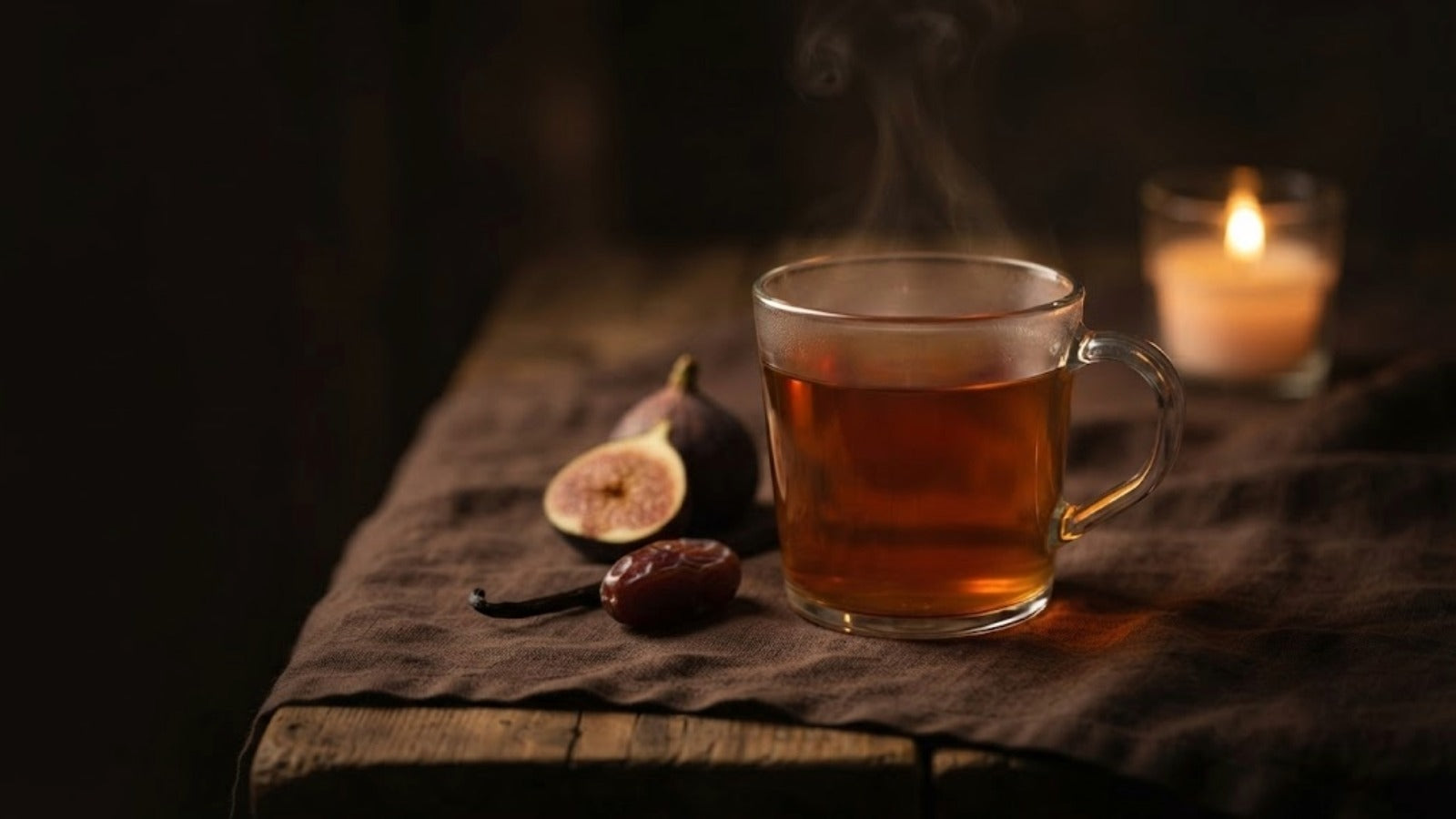
Ginger brings a gentle, steady warmth to the morning cup. As the dried pieces meet hot water, the steam carries notes of spice, citrus zest, and earthiness. The first sip reveals a quiet heat that spreads across the palate rather than striking it, a warmth you feel as much as taste.
That distinction is the reason ginger matters more than its share of the blend suggests. Fruit is bright and floral notes are soft, but neither of them registers on the body the way heat does. Ginger is the botanical that gives a caffeine-free morning cup something to push against, and it sits among the other morning herbal tea ingredients as the one you notice with your hands and your throat, not just your tongue.
What Ginger Tastes Like in Morning Tea: Warm Spice, Citrus Lift, and Earthy Depth
Ginger works on three registers at once. It is warm, it is bright, and it is grounded, and the way those three meet is what gives the cup its shape.

Warm Aromatic Heat
When ginger infuses in hot water, it releases a soft rising warmth that settles across the palate. The heat is rounded rather than sharp, closer to the feeling of a warm room than a flame. It builds slowly and lingers after the sip, which is what separates ginger from every other botanical in a morning blend.
Citrus Spice Lift
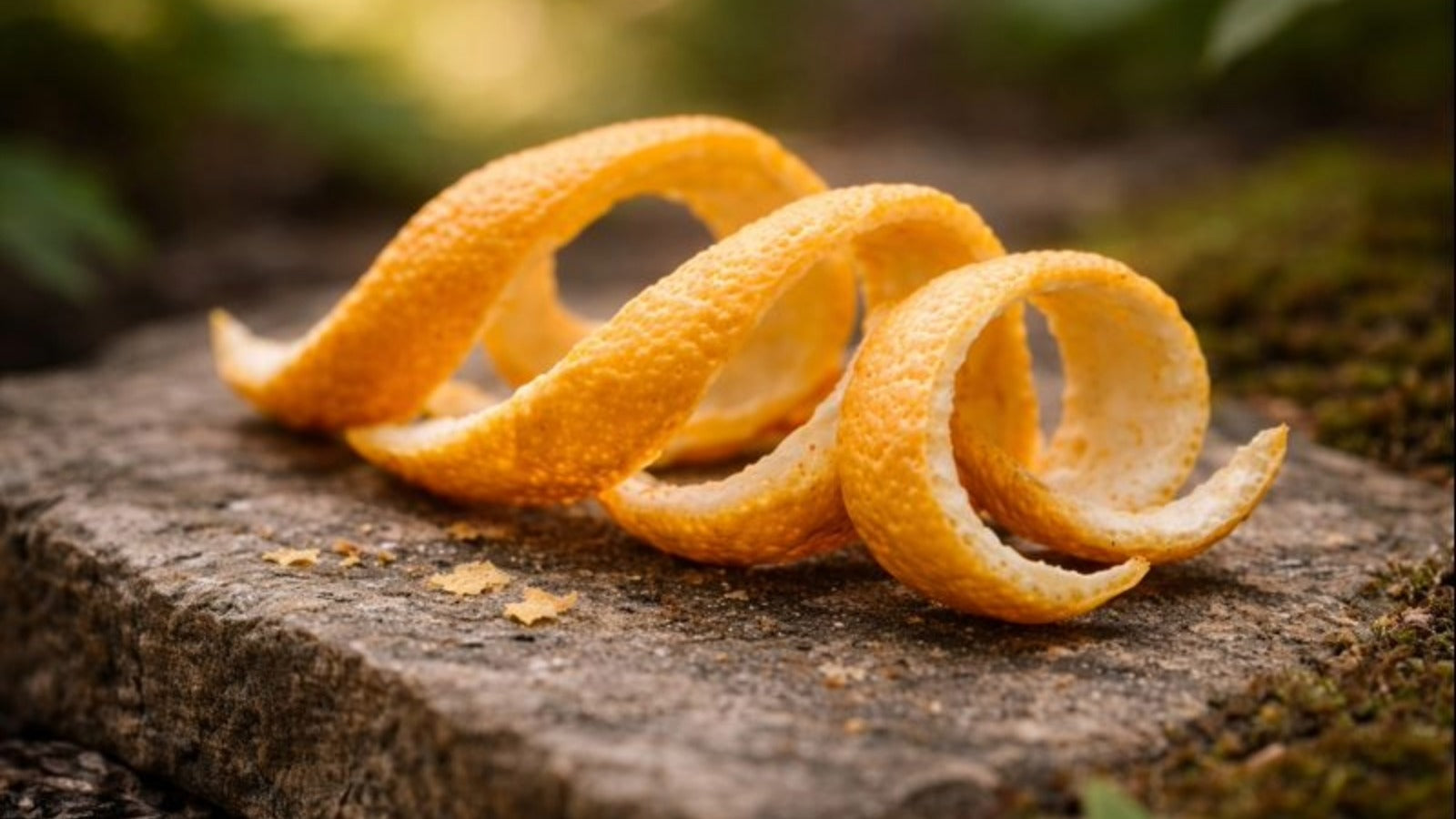
Beneath the warm base is a subtle brightness shaped by ginger's natural citrus spice. This lift refreshes the palate and adds dimension to fruit and floral elements in a blend. It gives the cup a lively top line without crossing into sharpness, offering a form of brightness that harmonizes rather than competes.
Earthy Depth
Ginger carries an earthy undertone that anchors the blend. This depth softens sweetness, rounds sharper notes, and contributes a quiet sense of grounding. The earthy character is what keeps ginger from reading as a simple spice note and gives it weight in the base of the cup.
Structural Warmth
Ginger performs architectural work in a blend. Its warmth links fruit, florals, herbs, and roots into a cohesive whole. It steadies the palate, smooths transitions, and shapes the cup's internal rhythm. Ginger is naturally caffeine-free, so the warmth it delivers is entirely a matter of flavor and sensation, which is precisely why it works so well early.
How Ginger Root Blends with Other Botanicals
Ginger contributes to the balance of a morning blend through gentle heat and aromatic depth that supports the composition without overwhelming it.

With Fruit
Ginger adds warmth beneath the natural brightness of fruit. Strawberry, peach, and apple gain a more rounded expression. Tropical fruits such as pineapple and mango feel steadier and less lush, while coconut finds structure in ginger's subtle heat. These pairings keep the cup vivid yet clearly rooted in morning freshness.
With Flowers
Ginger offers grounding that helps floral notes emerge with clearer shape. Its warmth softens hibiscus tartness and gives elderflower or rose petals a quiet anchor, allowing their softness to rise with clarity.
With Herbs
With herbs, ginger introduces depth and gentle aromatic lift. Lemongrass meets warmth that balances its citrus line, and green rooibos gains dimension through ginger's earthy undertone.
With Roots
Ginger integrates other roots by rounding their deeper tones, creating cohesion without heaviness.
With Spices
Delicate spices such as saffron gain support from ginger's warmth, which helps aromatic notes travel smoothly through the cup.
Where Ginger Root Comes From: Botany and Tradition
Ginger root is the underground stem of a resilient aromatic plant whose golden fibers hold natural heat and fragrance. The rhizome grows beneath the soil in dense, knotted forms that concentrate the plant's warm, resinous character. What you taste in the cup is the plant's own defense against the ground it grows in, drawn out by hot water.

Ginger has appeared in early-day practices across South Asia, East Africa, and the island cultures of the Indian Ocean for centuries. In Asian morning kitchens, its aroma rises from simmering broths and light teas. In India, the Middle East, and East Africa, it is blended into morning infusions for its soft heat and steadying presence. In colder climates, warm ginger drinks accompany the first hours of the day, meeting the chill before the day does. The pattern is consistent enough to be telling: wherever mornings are cold, ginger shows up in the first cup.
Ginger Root in Purely's Morning Herbal Tea Blends
Ginger appears in both of Purely's morning blends, always in small proportion and never as the headline. What it changes is not the flavor of the cup so much as the feeling of it.
Sunrise Clarity™ sets ginger beneath strawberry, peach, and apple, where its warmth settles under the fruit brightness and gives each note a clearer outline. Without it the cup would read as sweet and light; with it, the sweetness has a floor to stand on.
Radiant Awakening™ gives ginger a warmer, more luminous role. Against pineapple, mango, and coconut, its gentle heat creates depth without competing with the tropical sweetness, pulling a lush palette back toward something you would actually want at seven in the morning.
The Morning Ritual Sampler puts both in front of you. Ginger runs through each one, doing the same quiet work from a different angle, and tasting them side by side is the fastest way to hear what it is doing.
Ginger Root and the Warmth of Morning
There is a reason warm drinks belong to the early hours. The body arrives at the day before the mind does, and heat is the first thing it recognizes. Ginger meets that moment more directly than any other botanical in a morning blend, not by adding lift but by adding warmth you can locate.
That is the case for ginger in a caffeine-free cup. It answers the quiet worry that a morning tea without caffeine will feel like nothing at all. It will not feel like coffee, but it will not feel like water either. If you want to understand how the rest of the blend organizes itself around that heat, start with drinking tea in the morning.
Editorial Disclaimer
This content is for informational and educational purposes only. It reflects general perspectives on herbal tea, daily rituals, and related lifestyle practices. It is not intended to provide medical advice, diagnose conditions, or recommend treatments. Always consult a qualified healthcare professional with any questions about wellness or health related matters.