Lemon Balm Tea: Gentle Citrus Calm Before Bed

Lemon balm is a citrus botanical that belongs in an evening cup, which sounds like a contradiction and mostly is. Lemon peel, lemongrass, lemon verbena: these are bright, sharp, waking things, and they have no business anywhere near the end of the day. Lemon balm carries the same lemon character with the volume turned all the way down. It is the one citrus leaf that arrives soft.
That quality is why it turns up so often among the botanicals used in evening blends. Its pale green-gold infusion sits lightly in low light, and its mild lemon-herbal aroma stays close to the cup rather than filling the room. The result is a tea that tastes clean and unhurried, fresh without ever becoming brisk.
What Lemon Balm Brings to Evening Tea
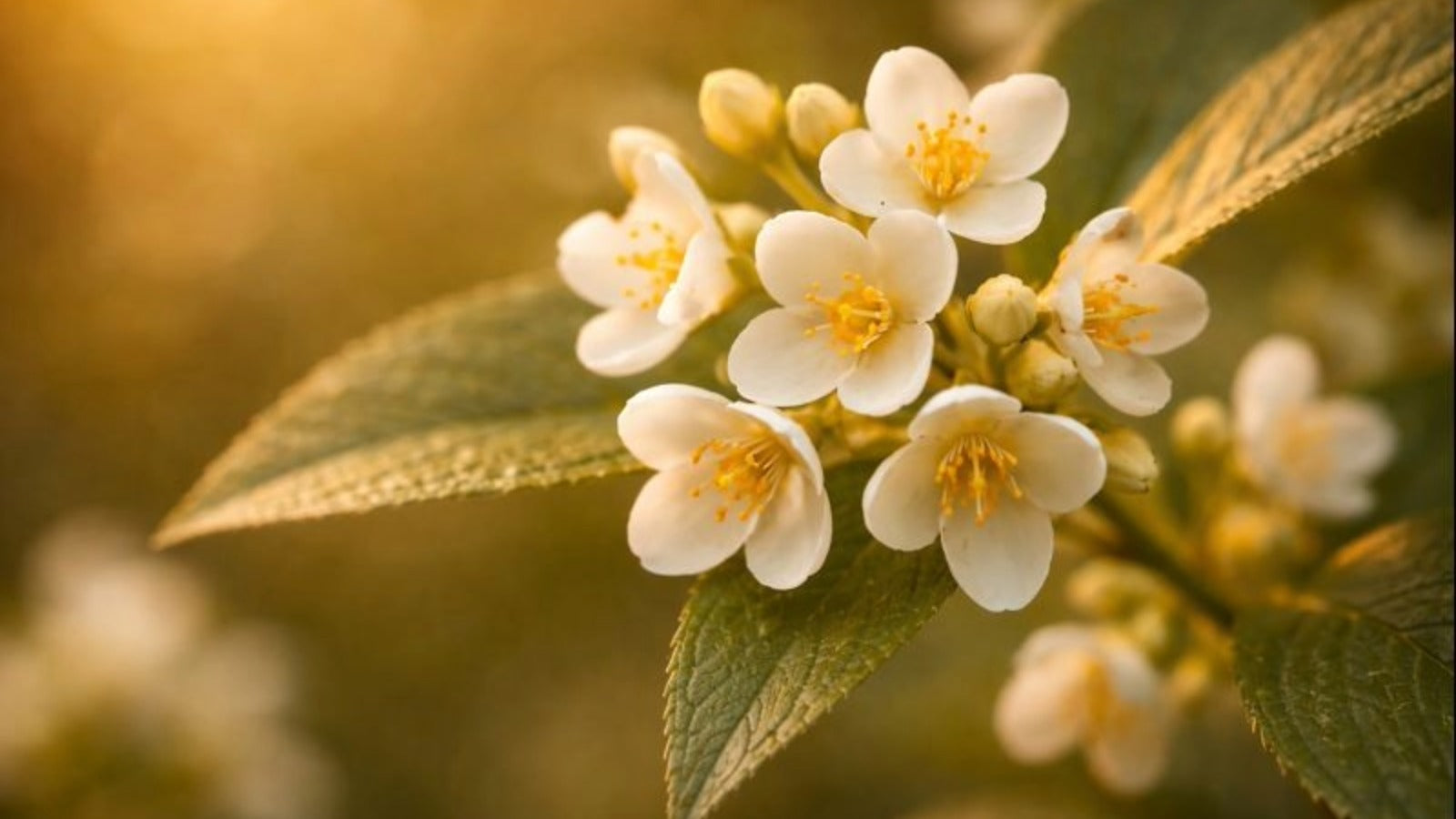
Lemon balm, harvested from the soft, heart-shaped leaves of the Melissa officinalis plant, brings gentle clarity and light herbal freshness to the evening cup. It works in the top of a blend, where citrus normally lives, but it holds that position without the sharpness citrus usually carries. The leaf is soft, the oil is mild, and the flavor stays green rather than bright.

Aromatic Character
Lemon balm releases a mild citrus-herbal aroma with notes reminiscent of lemon peel and fresh leaves. The scent stays light and close to the cup, offering brightness at a low volume and contributing to a calm, breathable atmosphere.
Color in the Cup
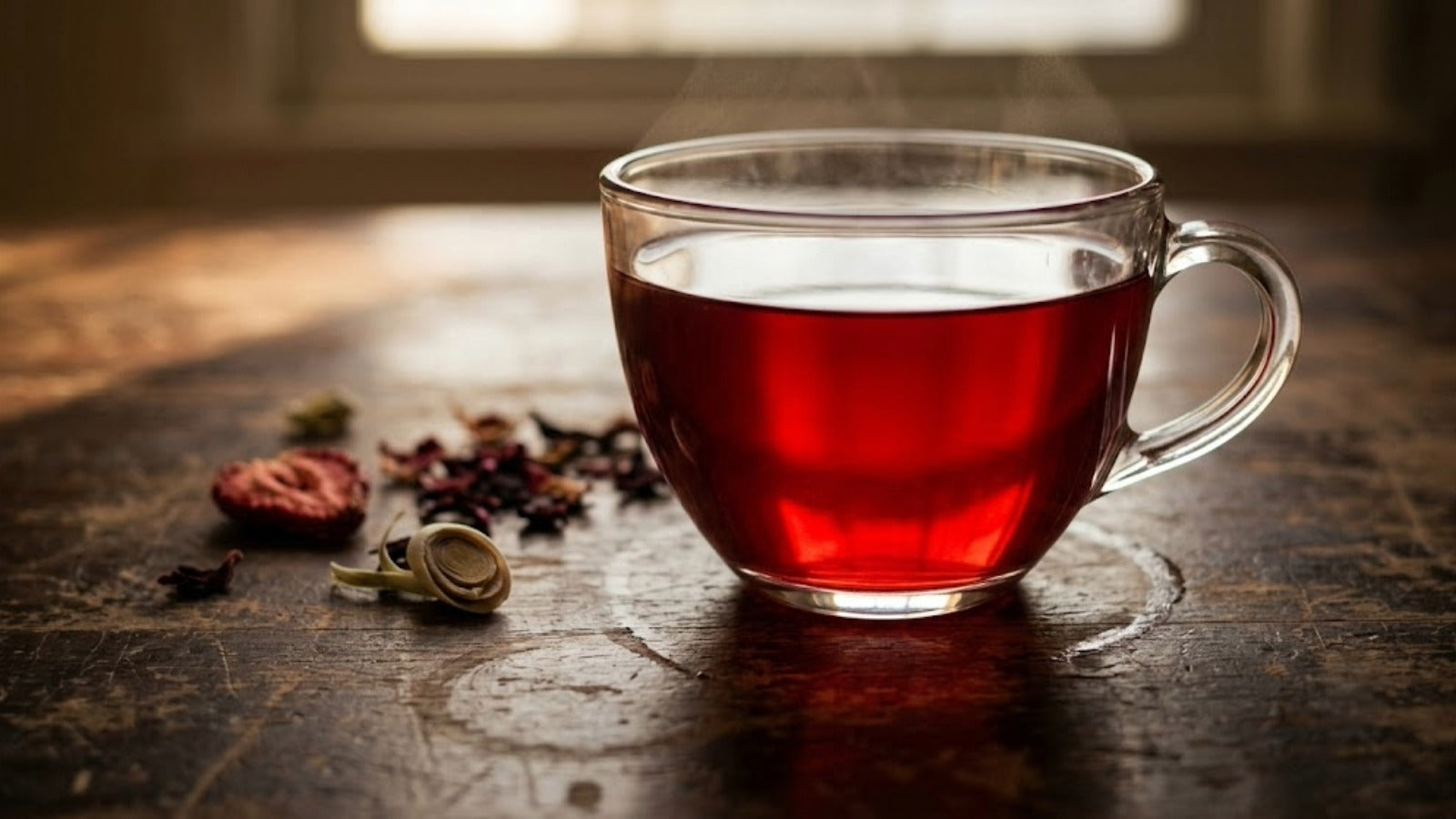
Its infusion develops a pale green-gold tone that appears clean and translucent in low light. The color adds visual freshness without brightness, reinforcing a sense of clarity and restraint suited to the evening hours.
Flavor Profile
On the palate, lemon balm tastes softly lemony with gentle herbal undertones. The flavor is fresh but muted, avoiding sharp acidity or sweetness. It feels clean and even, and it leaves no lingering intensity.
Weight & Presence
Lemon balm carries a light presence in the cup. It sits in the upper register of a blend, contributing a thin, clean line of flavor rather than body, and it keeps that position steadily from first sip to last.
Mouthfeel & Finish
The mouthfeel is smooth and delicate, with a clean finish that fades quietly rather than lingering. Lemon balm leaves the cup feeling resolved and airy.
The result is a botanical that reads as citrus without behaving like it. That
How Lemon Balm Fits the Quiet Before-Bed Cup
The reason lemon balm works at night comes down to where its citrus actually lives. Lemon peel and lemongrass carry theirs in bright, volatile oils that hit the front of the palate and snap. That is what makes them good in a morning cup and wrong in an evening one. Lemon balm is not really a citrus plant at all. It is a member of the mint family that happens to smell like lemon, and the resemblance comes from a much softer aromatic compound that sits back rather than lunging forward.

The practical difference shows up in the first sip. There is no snap. The lemon note arrives already softened, more like the smell of a leaf crushed between your fingers than the zest of a peel, and it fades cleanly instead of hanging around. The cup tastes fresh, but nothing about it is brisk.
This is what makes lemon balm the only lemon leaf that belongs in the evening cabinet. It gives a blend the lift and legibility that citrus provides, without the wake-up that citrus almost always brings with it. In a composition full of warm, sweet, rounded botanicals, that thin green line of freshness is the thing that keeps the cup from going flat.
Lemon Balm in Blending: Gentle Herbal Brightness and Citrus Lift
Evening blends run a specific risk: everything in them is warm, sweet, and rounded, and past a certain point the whole cup collapses into one undifferentiated brown sweetness. Lemon balm is the corrective. It draws lines between things. A blend with a little lemon balm in it stays legible, and you can still taste the individual botanicals in it on the third night as clearly as the first.

With Fruits
When paired with fruits such as fig or pear, lemon balm cuts a clean edge through the sweetness. The fruit stays mellow and rounded, while the citrus-herbal line keeps a dessert-leaning cup feeling balanced and composed rather than rich.
With Flowers
Alongside evening florals like chamomile or lavender, lemon balm creates separation. Its green-citrus character sits between the floral layers and holds them apart, so each aroma stays distinct instead of merging into a single perfumed note.
With Herbs
When combined with other gentle herbs, lemon balm refines rather than amplifies. With botanicals such as linden blossom, it smooths herbal overlaps and keeps the infusion even, preserving complexity while making it easier to read.
With Roots
Paired with grounding elements like marshmallow root, lemon balm offsets density. The root supplies body and a cushioning finish, and lemon balm’s clarity keeps that body from tipping into heaviness or opacity.
With Spices
Warm spices such as vanilla or cardamom sit easily beside lemon balm’s restrained citrus tone. It gives spice room to unfold gradually, holding the cup open so warmth can build without becoming enclosed.
The role is consistent across all of them. Lemon balm is the thin clean line running through an otherwise soft blend, and its value is
Lemon Balm in Moonlight Stillness
Lemon balm is what lets a rich blend stay clear. It threads a thin green line through the sweetness so every part of the cup keeps its own shape.
Moonlight Stillness™ goes dark and slow: honeyed date, vanilla, and a thread of warm cardamom, a cup that tastes the way a candlelit room feels. Lemon balm runs quietly beneath it, lifting the date, sharpening the spice, and keeping the whole thing bright at the edges. Rich, and still clear enough that the third cup tastes as good as the first.
A Gentle Citrus-Herbal Leaf for Before Bed
Lemon balm is the exception that proves the rule about citrus at night. Every other lemon in the cabinet is too bright, too sharp, too much a creature of the morning. This one carries the same green freshness with none of the edge, and in an evening blend that freshness is not a decoration. It is what keeps the cup honest, and what lets a rich, sweet, slow tea stay clear enough to taste properly on the last sip.
It is a small job done precisely. If you are thinking about what belongs in your own cup at the end of the day, drinking tea at night is worth working out properly, and lemon balm is one good answer among several.
Editorial Disclaimer
This content is for informational and educational purposes only. It reflects general perspectives on herbal tea, daily rituals, and related lifestyle practices. It is not intended to provide medical advice, diagnose conditions, or recommend treatments. Always consult a qualified healthcare professional with any questions about wellness or health-related matters.