Marshmallow Root Tea: Velvety Warmth Before Bed

Every other botanical in an evening blend changes what the tea tastes like. Marshmallow root changes what the tea is. It thickens the water, and it is the only common evening ingredient that does. Pour a cup with marshmallow root in it and the liquid moves differently across the tongue: slower, rounder, with a faint silkiness that has nothing to do with sweetness and everything to do with body.
That makes it the strangest and most useful of the botanicals used in evening blends. You cannot taste it, not really. Its flavor is so mild it barely registers. What you notice is the way the cup feels, and once you have noticed it, a tea without it feels thin.
The Sensory Profile: Velvety Texture and Soft Herbal Warmth
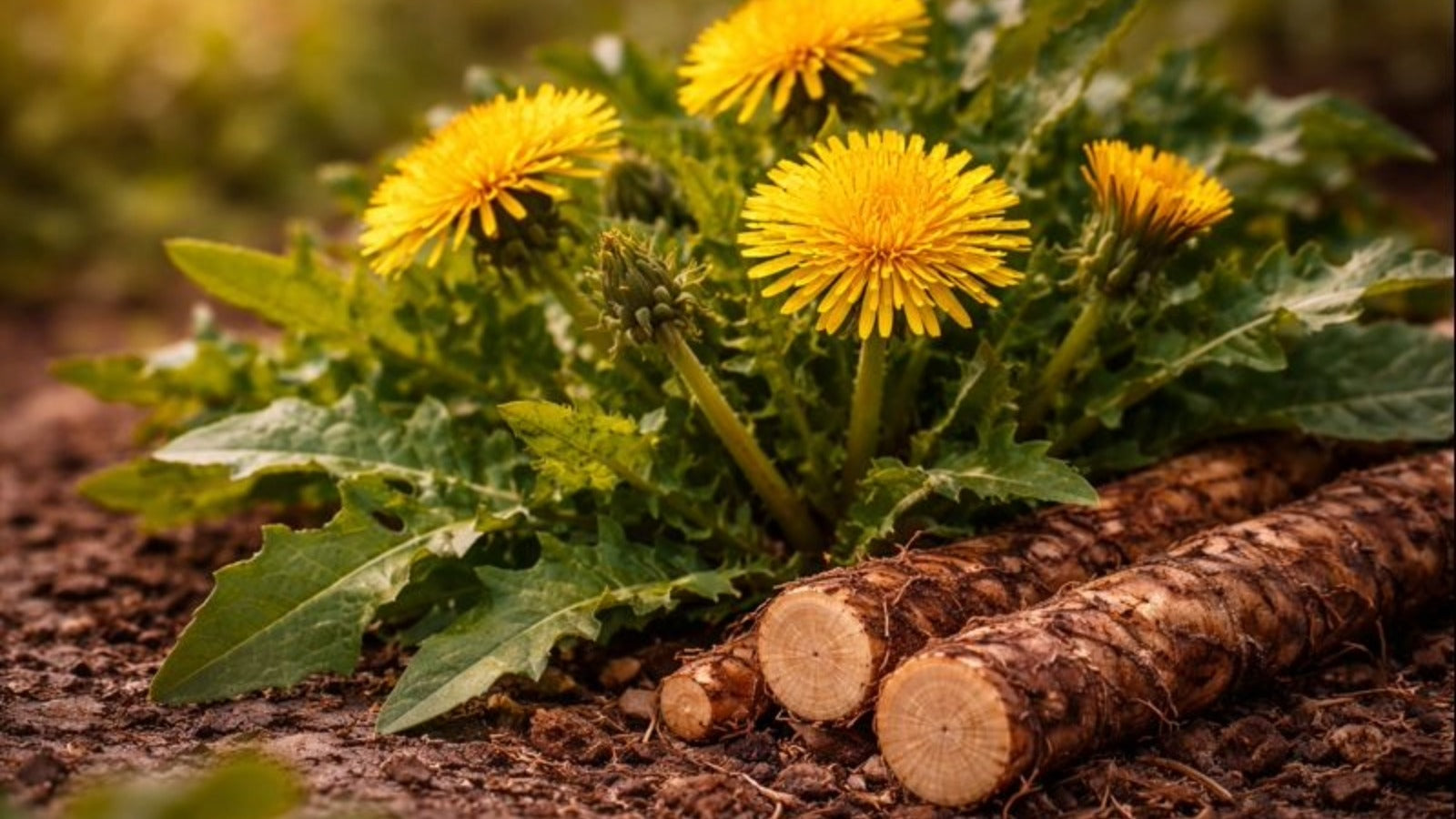
Marshmallow root, harvested from the pale fibrous root of the Althaea officinalis plant, brings softness, body, and very little flavor. That imbalance is the point. Almost everything it contributes to a cup is physical, and almost none of it is taste.

Aromatic Character
Its aroma stays restrained and close to the cup, carrying a mild earthy sweetness that warms the air without spreading.
Color in the Cup
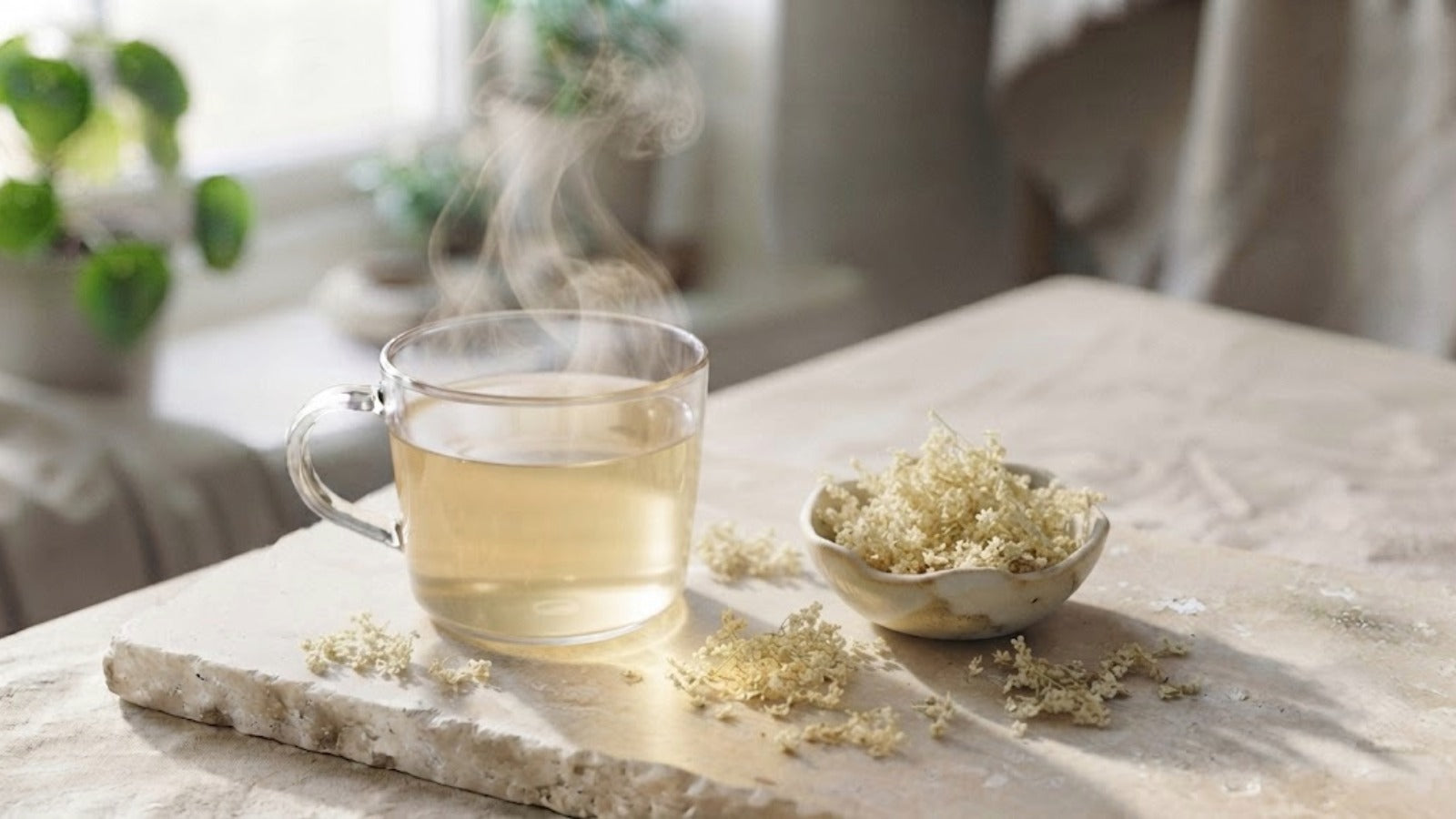
In the cup, marshmallow root lends a pale golden tone that gathers softly in evening light, adding visual warmth without brightness or contrast.
Flavor Profile
On the palate, marshmallow root tastes lightly sweet with soft earthy notes, often described as neutral and faintly vegetal. The flavor stays understated and gives other botanicals room to lead.
Weight & Presence
Marshmallow root releases a naturally rounded body that gives the infusion a gently full mouthfeel. This is where the root does nearly all of its work.
Mouthfeel & Finish
As the infusion develops, marshmallow root contributes a velvety texture that feels continuous and even, and it carries that texture through to the last sip.
Read the list and four of the five entries are polite ways of saying that not much happens. Then there is the fifth. Marshmallow root is a one-trick botanical, and the trick is a good one.
How Marshmallow Root Cushions the Before-Bed Cup
The root is dense with mucilage, a soluble plant polysaccharide that dissolves into hot water and thickens it. This is the same property that made the plant the original source of the confection that still carries its name, and the same principle that lets okra thicken a stew. It is food science, not folklore, and it is entirely physical.

What that means in practice is that marshmallow root is the only botanical in the evening cabinet that alters the water itself. Fig sweetens it. Cardamom perfumes it. Rooibos colors it. Marshmallow root makes it viscous, so the tea coats the mouth instead of passing through it, and the finish lingers a half-second longer than you expect. The effect builds with steeping time. A long steep gives you a noticeably silkier cup than a short one.
It also explains why you can never quite point to it. Every other ingredient announces itself on the palate and can be named. Marshmallow root registers somewhere else entirely, in the weight of the liquid and the way it moves. You do not taste it. You feel it, and you only really understand what it was doing when you drink a blend that leaves it out.
Marshmallow Root in Blending: Silky Texture and Soft Body
Because it contributes almost no flavor of its own, marshmallow root can be added to any evening blend without changing what that blend tastes like. It only changes how it arrives. That is a rare and valuable thing in a blending cabinet, and it is why the root turns up in compositions that otherwise have nothing in common.

With Fruits
When paired with fruits such as fig or pear, marshmallow root turns sweetness into something closer to dessert. The fruit tastes exactly as it did before, but the added body carries it, and the cup reads as creamy rather than simply sweet.
With Flowers
Alongside evening florals such as chamomile or lavender, marshmallow root cushions the aromatics. Floral notes can sit high and thin in a light-bodied tea; the root gives them something underneath to rest on, so they land softer and stay integrated.
With Herbs
Herbal botanicals gain roundness from the root. When paired with gentle herbs such as lemon balm, the added body absorbs the green edge and slows the pace of the cup, making a fresher blend feel more contained.
With Other Roots
Roots and barks bring density and can make a cup feel thick rather than smooth. Marshmallow root supplies the opposite kind of weight: viscosity without heaviness. It gives an infusion silkiness where another root would give it drag.
With Spices
Warm spices such as vanilla or cardamom rest easily within the root’s softness. Aromatic warmth unfolds more gradually in a thicker liquid, so spice arrives gently and stays present through the finish rather than flaring and fading.
The role is the same every time. Marshmallow root is not part of the flavor of a blend. It is the medium the flavor travels in, and changing the medium changes the entire experience of drinking it.
Marshmallow Root in the Evening Blends
It is in both evening blends, and for the same reason each time. These are teas meant to be held onto rather than finished, and the root is what gives them something to hold.
Sacred Sanctuary™ tastes like warm baked fruit lifted straight from the oven: ripe fig and soft pear folded into vanilla, jammy and rounded, sweet without weight. Marshmallow root is why it drinks like a dessert instead of a fruit tea, giving the sweetness a body it would not otherwise have.
Moonlight Stillness™ goes dark and slow: honeyed date, vanilla, and a thread of warm cardamom, a cup that tastes the way a candlelit room feels. The root gives it the silk. It is what turns a spiced, sweet tea into one that coats the mouth and stays there.
Some nights call for one, other nights the other. The Evening Ritual Sampler carries both, so the evening never waits on a decision, whichever way you happen to be leaning.
A Soft, Velvety Root for the Before-Bed Cup
Marshmallow root is the ingredient that answers a question most people never think to ask, which is not what an evening tea should taste like but what it should feel like. A thin cup passes through. A thick one stays. The root is the difference, and it is the reason the best evening blends drink slowly whether you meant them to or not.
It is the least visible thing in the cup and one of the most decisive. If you are working out what belongs in your own tea at the end of the day, drinking tea at night is worth thinking through properly, and texture is the half of it nobody talks about.
Editorial Disclaimer
This content is for informational and educational purposes only. It reflects general perspectives on aroma, daily rituals, and related lifestyle practices. It is not intended to provide medical advice, diagnose conditions, or recommend treatments. Always consult a qualified healthcare professional with any questions about wellness or health-related matters.