Red Rooibos Tea: Deep Amber Warmth Before Bed

Pour an evening tea into a glass and the deep red-amber looking back at you is rooibos. Nothing else in the cup makes that color. But the color is the smaller half of what the plant does. Red rooibos is the floor of an evening blend, the woody, faintly dry ground that everything sweet in the tea is standing on, and it is the reason a dessert-leaning cup still tastes like tea rather than syrup.
It is the least glamorous of the botanicals used in evening blends and the one you would miss first. Take it out and the fruit and the honey have nothing underneath them. The cup goes thin, loses its color, and starts to taste like flavoring.
The Sensory Profile: Deep Amber Color and Steady Warmth
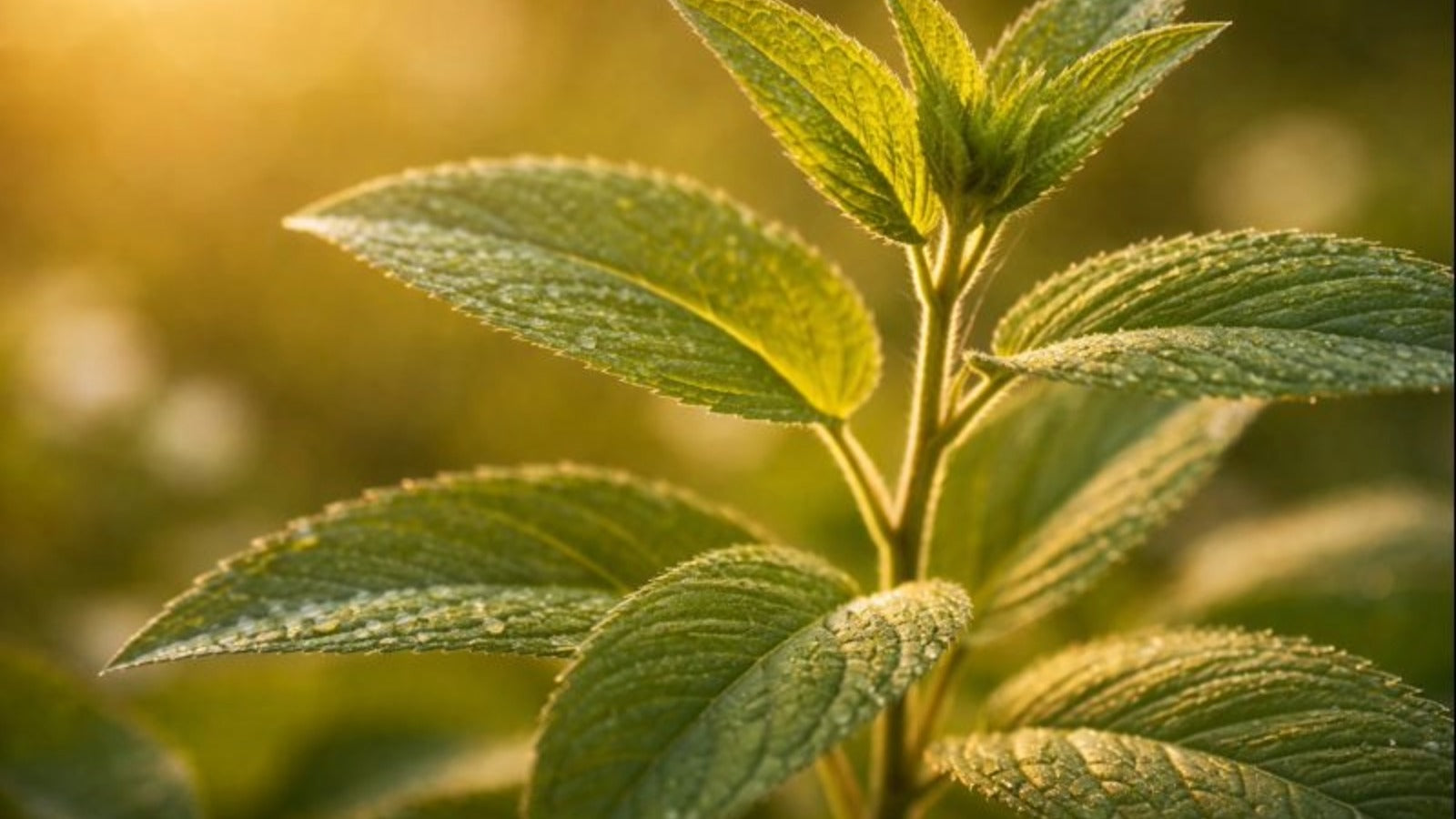
Red rooibos, harvested from the fine needle-like leaves of the Aspalathus linearis plant, grows in one place on earth: the Cederberg mountains of South Africa. What it brings to a cup is body, color, and a low woody depth. What it does not bring, despite its reputation, is sweetness.

Aromatic Character
Red rooibos releases a low, woody aroma with faint vanilla and dried-hay notes. The scent stays close to the cup, warming the air subtly without spreading or asserting itself.
Color in the Cup
Its infusion develops a deep red-amber hue that holds warmth in low light. This is the plant’s signature, and nothing else in an evening blend produces it. The color is dense and absorptive, gathering light rather than reflecting it.
Flavor Profile
On the palate, red rooibos tastes woody and gently earthy, with a faint nuttiness and a whisper of vanilla. It is smooth and free of bitterness, which is why it is so often mistaken for sweet. It is not. It is simply easy to drink.
Weight & Presence
Red rooibos carries a medium, anchoring presence. It occupies the bottom of a blend and stays there, giving the infusion enough substance to feel like a proper drink.
Mouthfeel & Finish
The mouthfeel is smooth with a slight dryness at the close, a faint tannic grip that stops the cup from feeling slack. Rooibos finishes clean and holds its warmth to the last sip.
Taken alone, this is not an exciting tea. Read as a foundation, it is close to ideal: it has color, body, a little grip, and almost no opinion about flavor. That combination is rare, and it is what makes rooibos the base of nearly every evening blend worth drinking.
How Red Rooibos Grounds the Before-Bed Cup
Rooibos does its work at the bottom of the cup. The woody floor arrives first and stays put, and everything else in an evening blend sits on top of it. That is an unglamorous job, and it is the reason the plant is so widely used. A base has to be present without being interesting, and rooibos holds its position without ever asking for attention.

What it contributes is a slight dryness at the close, a faint pull that stops the cup from going slack. Sweetness with nothing underneath it turns cloying by the third sip, and that dry finish is what keeps a fig-and-vanilla blend from tipping into candy. It is also why a rooibos-based tea can be drunk slowly over an hour without wearing out its welcome.
Then there is the color, which no other evening botanical can supply. Fruit brings very little. Most flowers brew pale. The deep red-amber that makes an evening tea look like an evening tea, the color you want to see through the side of a glass with the lights low, is rooibos and only rooibos. A blend without it is a paler thing in every sense.
Red Rooibos in Blending: Deep Warmth and Grounded Structure
A base has to hold a blend without competing with it, and rooibos is unusually good at exactly that. It has enough character to be present and not nearly enough to interfere. Everything else in the cup gets to be the interesting part.

With Fruits
When paired with fruits such as fig or pear, rooibos supplies the depth the fruit lacks. Dried fruit alone can taste flat and one-dimensional in hot water; the woody floor underneath gives it dimension, and the cup reads as baked rather than merely fruity.
With Flowers
Alongside gentle florals like chamomile or lavender, rooibos gives the aromatics something to work against. Floral notes need contrast to register, and the earthy base makes them legible in a way a sweeter foundation would blur.
With Herbs
Honeybush is the herb rooibos meets most often, and getting the two to work together is a blending decision rather than an obvious one. Honeybush on its own is a light cup, sweet and even the whole way through with little underneath it. Rooibos gives it a floor, a woody depth and a dry close that the sweetness can rest on, and the result has more than either alone. Blends that carry both are doing something special, and honeybush vs rooibos is where that comparison gets made properly.
With Roots
Marshmallow root and rooibos do different kinds of work at the bottom of a blend. The root supplies viscosity, a silkiness in the mouth. Rooibos supplies structure, the woody floor and the color. Together they are body and bones.
With Spices
Warm spices like vanilla or cardamom rest naturally on rooibos, and its own faint vanilla note means they are never entirely foreign to it. Spice reads warmer over a dry base than a sweet one, and it stays present through the finish instead of being swallowed.
The role never changes. Rooibos is the thing everything else is built on, and its value is in what it makes possible rather than what it contributes. It is the reason a sweet, soft, dessert-leaning evening tea can still taste serious.
Red Rooibos in the Evening Blends
Both evening blends are built on it, and both would fall apart without it. It is the red in the glass and the ground under the sweetness.
Sacred Sanctuary™ tastes like warm baked fruit lifted straight from the oven: ripe fig and soft pear folded into vanilla, jammy and rounded, sweet without weight. The rooibos underneath is what keeps it from being jam. It gives the fruit a floor to sit on, and it is why the cup drinks like tea and not like dessert in a mug.
Moonlight Stillness™ goes dark and slow: honeyed date, vanilla, and a thread of warm cardamom, a cup that tastes the way a candlelit room feels. Rooibos supplies the dark. The woody depth at the bottom is what the date and the spice are resting on, and it is where the blend gets its color and its gravity.
Some nights call for one, other nights the other. The Evening Ritual Sampler carries both, so the evening never waits on a decision, whichever way you happen to be leaning.
A Deep Amber Base for the Before-Bed Cup
Nobody orders an evening tea because of the rooibos. They order it for the fig, the date, the vanilla, the spice. But the rooibos is what those things are standing on, and it is the reason the cup has a color worth looking at and a depth worth finishing.
Foundations are easy to overlook and impossible to do without. If you are working out what belongs in your own cup at the end of the day, drinking tea at night is worth thinking through properly, and rooibos is where nearly every good answer begins.
Editorial Disclaimer
This content is for informational and educational purposes only. It reflects general perspectives on herbal tea, daily rituals, and related lifestyle practices. It is not intended to provide medical advice, diagnose conditions, or recommend treatments. Always consult a qualified healthcare professional with any questions about wellness or health-related matters.