Honeybush Tea: Smooth Amber Sweetness Before Bed

An evening tea can taste like dessert without a grain of sugar in it, and honeybush is the reason. The plant is sweet on its own. Not fruit-sweet or spice-sweet, but honey-sweet, with a mellow caramel-apricot warmth that arrives already rounded. Steep it alone and the cup tastes as though something has been added to it. Nothing has.
That single quality makes it one of the most useful of the botanicals used in evening blends, and one of the most misunderstood. Honeybush is routinely mentioned in the same breath as red rooibos, its South African cousin, and the two are not remotely the same thing in a cup.
The Sensory Profile: Amber Sweetness and Smooth Body
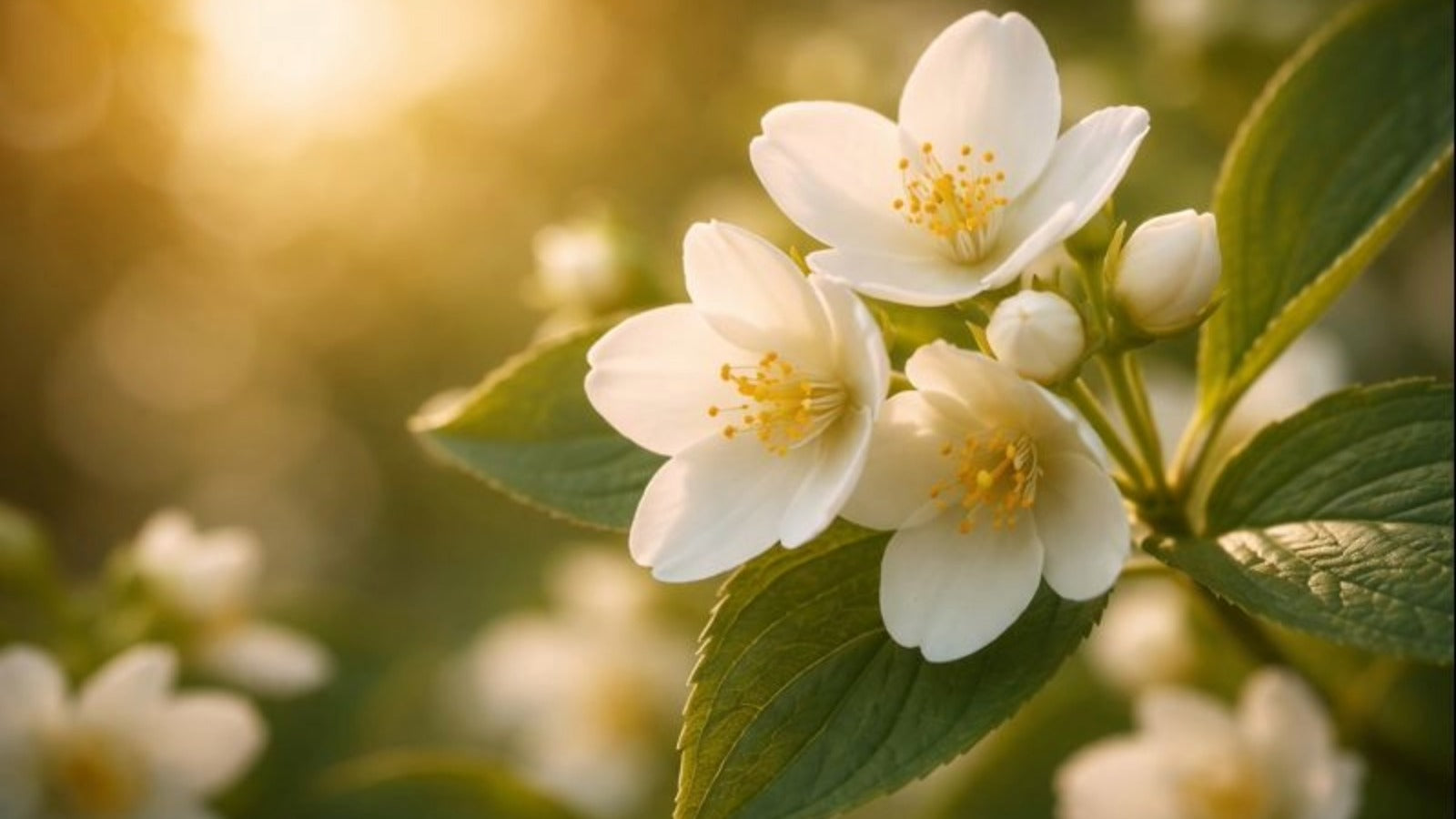
Honeybush, harvested from the sun-warmed stems and leaves of the South African Cyclopia plant, brings sweetness first and everything else second. The name is not decorative. The plant smells like honey when it flowers, and it tastes like honey in the cup.

Aromatic Character
Honeybush releases a light, honeyed aroma with soft floral and faint caramel notes. The scent stays close to the cup, warming the air subtly and setting an expectation of sweetness the flavor then delivers.
Color in the Cup
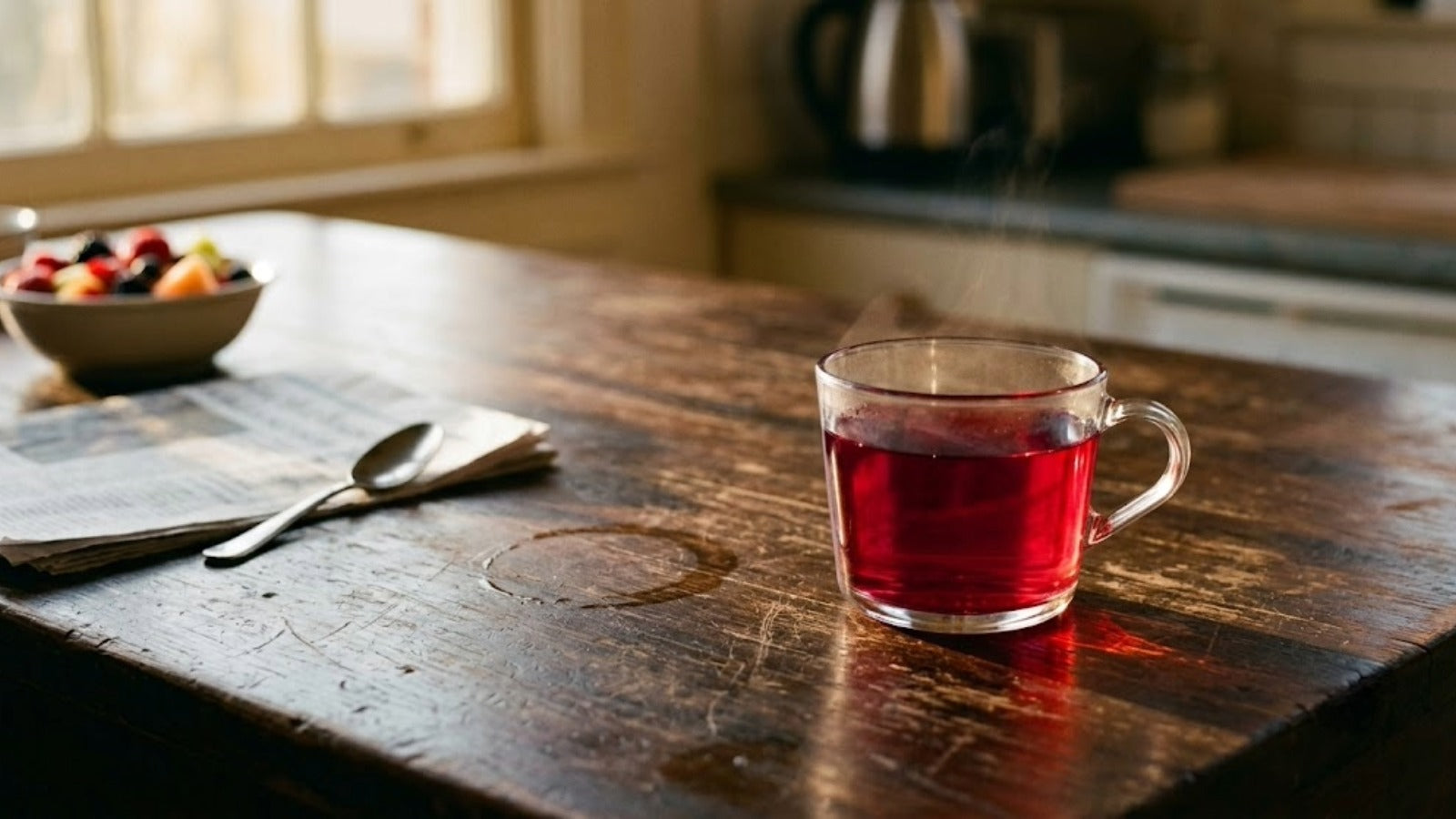
Its infusion develops a warm amber-gold hue that holds richness in low light. The color reads as sun-warmed and gentle, adding visual depth without brightness or contrast.
Flavor Profile
On the palate, honeybush tastes naturally sweet and mellow, with notes of honey, dried flowers, and soft stone fruit. The sweetness is rounded rather than sharp, and it is the plant’s defining characteristic.
Weight & Presence
Honeybush carries a light-to-medium presence in the cup. It sits fuller than a delicate floral and lighter than a grounding root, giving a blend gentle substance without weight.
Mouthfeel & Finish
The mouthfeel is smooth and even, with no dryness or tannic grip. Honeybush finishes softly and fades rather than lingering, closing the cup without a sharp edge.
Four of those five lines circle the same fact. Honeybush is a sweetener that happens to be a leaf, and everything it does in an evening blend follows from that.
How Honeybush Warms the Before-Bed Cup
Honeybush announces itself before you drink it. Pour the water and the steam carries a honeyed warmth up out of the cup, rounded and slightly caramelized, with a soft floral edge behind it. The aroma is the plant's clearest signal, and it arrives already suggesting sweetness, so the cup is doing something for you before it reaches your mouth. That matters more at the end of the day than at the start of one. A tea you can smell from across the counter is a tea that marks the hour.

The cup itself is even. Sweetness arrives at the first sip and stays through the last, with no build, no sharpening, and no grip at the close. There is a dry leafy quality underneath it, closer to a green stem than to honey, and that is what keeps the sweetness from going cloying over a full mug. Honeybush finishes soft and fades rather than resolving. Nothing in it demands attention, which is exactly what you want from a cup you intend to drink slowly with the lights down.
Honeybush in Blending: Mellow Sweetness and Gentle Depth
Sweetness is a solvent in a blend. It rounds sharp edges, fills gaps between notes, and makes almost anything easier to drink. Honeybush supplies it in a form that never tastes added, which is why it turns up underneath so many evening compositions and why it is so rarely the thing anyone names.

With Fruits
When paired with fruits such as fig or pear, honeybush finishes the job the fruit starts. Dried fruit brings sweetness and tartness in roughly equal measure; honeybush supplies the missing half, and the cup tips from fruity into properly dessert-leaning.
With Flowers
Alongside florals like chamomile, lavender, or linden blossom, honeybush puts warmth underneath the bouquet. Floral notes can float free in a thin tea, and the honeyed base gives them something to sit on, so the blend reads as sweet and floral rather than perfumed.
With Herbs
Red rooibos is the herb honeybush is paired with most frequently. Rooibos is woody and faintly earthy with a dry pull at the close. Honeybush is sweet and even with no grip at all. Put them in the same cup and the sweetness has something structural underneath it, which is why the best evening blends built on honeybush include rooibos as well. How honeybush and rooibos compare in a cup is the full version of that pairing.
With Roots
When combined with roots like marshmallow root, honeybush supplies flavor while the root supplies body. Sweetness and viscosity together are what produce the creamy, dessert-like impression of a good evening tea, and neither one gets there without the other.
With Spices
Warm spices such as vanilla or cardamom sit naturally inside honeybush’s sweetness. Spice reads very differently over a sweet base than over a dry one: cardamom in a sweet cup tastes like baking, and cardamom in a dry cup tastes like a spice rack.
The role never changes. Honeybush is the sweetness, and the sweetness is what decides whether an evening tea tastes like a treat or like a remedy. Almost everything else in the cup is negotiating with it.
Honeybush in the Evening Blends
Both evening blends taste sweet, and neither one contains sugar. Honeybush is the whole explanation, and it does the job differently in each.
Sacred Sanctuary™ tastes like warm baked fruit lifted straight from the oven: ripe fig and soft pear folded into vanilla, jammy and rounded, sweet without weight. The honeybush is what lifts the fruit past tart and into jam, giving the cup the honeyed finish that makes it read as dessert.
Moonlight Stillness™ goes dark and slow: honeyed date, vanilla, and a thread of warm cardamom, a cup that tastes the way a candlelit room feels. Here honeybush meets the date and doubles it, and the cardamom lands as baking spice rather than heat because there is sweetness underneath it to land on.
Some nights call for one, other nights the other. The Evening Ritual Sampler carries both, so the evening never waits on a decision, whichever way you happen to be leaning.
A Smooth Amber Base for the Before-Bed Cup
The best thing about honeybush is how little it asks of a blend. It arrives sweet, stays sweet, and requires nothing in return. Every dessert-leaning evening tea worth drinking has this plant somewhere near the bottom of it, quietly doing the work that would otherwise be done by sugar, and doing it better.
Sweetness is the thing most people get wrong about tea at the end of the day. If you are working out what belongs in your own cup, drinking tea at night is worth thinking through properly, and honeybush is where the answer usually starts.
Editorial Disclaimer
This content is for informational and educational purposes only. It reflects general perspectives on aroma, daily rituals, and related lifestyle practices. It is not intended to provide medical advice, diagnose conditions, or recommend treatments. Always consult a qualified healthcare professional with any questions about wellness or health-related matters.