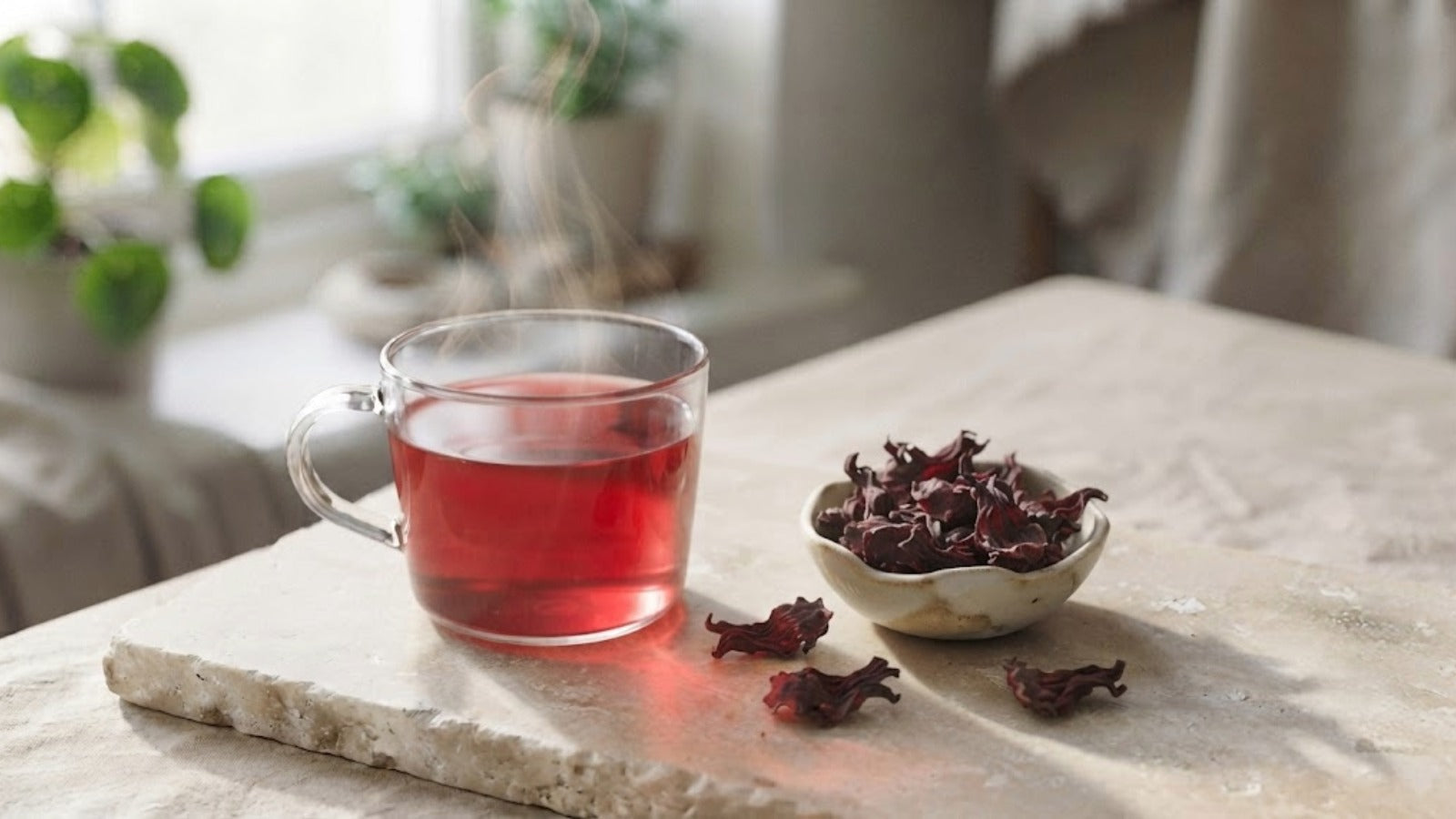
Drinking Tea in the Afternoon: A Simple Ritual to Reset Your Day

Long before calendars, schedules, or productivity systems, ritual was how people moved through the day with continuity. It does not exist to create novelty or performance; it exists to create reliability. Through repetition, small gestures accumulate meaning, and a familiar act becomes a stabilizing point the mind can return to when attention fragments or momentum falters. At Purely, ritual is not an accessory to daily life. It is the structure that gives daily life its rhythm.
Defense rituals emerge from this same logic. They are not about protection through force or avoidance but preservation through balance: any repeatable act that helps restore clarity, steadiness, and presence while life continues to move around you. This is what sets them apart from the other phases of the day. Where morning rituals establish direction and evening rituals encourage release, Defense rituals are maintenance rituals, holding you steady rather than starting or closing the day.
They belong to the middle hours, when attention has already been spent and needs to be gently renewed. That timing shapes everything about them. A Defense ritual does not demand withdrawal or silence; it is built to be portable, brief, and adaptable to motion, something you return to between tasks rather than something you step away from the day to perform. From here, the sensory, botanical, and structural character of Defense follows.
Focus and Mental Clarity in the Middle of the Day
Of everything Defense does, focus is the most practical, and often the reason people reach for a midday cup in the first place. The middle hours are where attention wears thin. Thinking slows, small tasks start to feel heavier than they should, and the day that began clear begins to blur at the edges. It is easy to read that heaviness as a lack of energy and reach for something stronger, but focus rarely breaks down from too little stimulation. More often it comes from the opposite, a mind that is overloaded, crowded, or already running on the last spike of caffeine.
This is the territory Defense was built for. A cool, clarifying cup does not force attention back into place; it clears the space for attention to return on its own. Mint opens the sensory field, citrus lifts without accelerating, and a quiet warmth underneath keeps the clarity from feeling brittle, the same balance of cool and warm that defines the Defense cup. Held between tasks or before the next decision, it becomes a small, repeatable reset, a way to re-center in the middle of motion rather than pushing harder through the fog.
Focus also has its own logic worth understanding on its own terms: why stimulation so often backfires, how to tell one kind of mental fog from another, and which cup fits which kind of afternoon. That fuller picture lives in the complete guide to herbal tea for focus and mental clarity, which gathers the focus side of the Defense ritual into one place.
The Cup That Replaces the Afternoon Coffee
For a lot of people the midday reach is not for tea at all, at least not yet. It is for a second coffee, the three o'clock cup poured to push through the back half of the day. It is the most common midday habit there is, and also the one most worth a second look, because the afternoon coffee is a different thing from the morning one. The morning cup starts the day. The afternoon cup tends to follow you into the evening, still working long after you wanted to be winding down.
Trading it for a midday tea is not about going without. It is the same few minutes, the same warm cup in your hand, the same small step away from the desk, with something in it that returns you to center instead of pushing you further past it. The catch is that swapping it well is its own subject, with more to it than simply putting the coffee down: which cup actually holds up in the afternoon, when the coffee starts reaching into your evening, and how to make the change stick past the first hard week.
That is a whole guide of its own, and we have written it. If the afternoon coffee is the cup you are trying to move on from, start with what to drink instead of afternoon coffee, which lays out the full path from the first swap to the settled habit.
What an Energy Drink Actually Is
For a good number of people, the midday reach is not a cup at all. It is something cold from a machine down the hall, opened at the desk and finished without ever standing up. The hour is the same as the coffee drinker's, and the pull is much the same, but what is being reached for is a different kind of thing entirely. Coffee is a beverage with centuries behind it. An energy drink is a product, designed in a lab and built to a specification.
That difference shows up on the label. Somewhere between fifteen and twenty-five ingredients, and only two or three of them are what the drink is actually for. The rest are the cost of putting a liquid in a sealed container, trucking it across a country, and having it taste identical a year later. None of that makes it a bad drink. It makes it a manufactured one, and a tin of dried botanicals sits at the opposite end of that spectrum: a handful of plants, hot water, and nothing added to hold the result together.
Trading one for the other is its own subject, with more to it than putting something down. What you honestly give up, why the usual alternatives do not last, which cup holds up in the afternoon, and how the habit settles. That path is laid out in what to drink instead of energy drinks, which covers the whole of it from the first swap to the settled ritual.
The Botanicals Behind a Midday Cup
The afternoon has its own botanical language. It is lighter than the grounded warmth of evening and more fluid than the ignition of morning, shaped by clarity, balance, and quiet lift rather than by any single dominant note. Within the Defense collection, botanicals are chosen for how they shape the atmosphere of a moment, and no one of them carries the ritual alone. That wider botanical range is what allows herbal tea to change character across the day, which we explore in What Is Herbal Tea? How It Works and When to Drink It.
What holds the cup together is tension. A midday blend is built on opposing pulls held in balance: cool mint and bright citrus at the top, a warm floor of roots, cacao, and gentle spice underneath, and a handful of reconcilers in between, a single soft fruit, a few florals, and a green herbal center, that keep the two sides from grating against each other. Nothing is allowed to win. That balance held in place is what lets a Defense cup steady you through the middle of the day without pushing you up or letting you drop.
Each botanical earns its place by the job it does in that balance rather than by its flavor alone, and several of them do the opposite of what you would assume. The full account of what goes into a midday cup, what each plant is holding in place, and why it belongs in the middle of the day rather than either end of it, lives in the complete guide to afternoon herbal tea ingredients.
Choosing Your Midday Cup
In any ritual, a few objects become the ones you return to, not because they are new but because they hold up. In Defense practice, the tea does that. It becomes the familiar cup that means regaining your balance while the day keeps going. The Purely Defense blends were made to play exactly that role: steady and clear across repeated use, rather than built to stimulate or to soothe.
Guardian Spirit™ is the brighter side of Defense. Peppermint and spearmint open the cup clean and clear the mental clutter fast, and citrus follows with a lift that feels like space rather than a jolt. Underneath, herbal depth keeps the freshness from fading and a little grounding at the base stops it drifting toward evening warmth. It stays open and steady through a long afternoon, which is what makes it a reliable anchor. It is also caffeine-free.
Celestial Renewal™ is the warmer side. Peppermint opens it cool and fresh while tulsi brings herbal depth in early, so the lift holds instead of fading. Beneath that, cacao keeps a low, steady warmth that never tips toward evening, with orange peel brightening the middle and jasmine smoothing the edges. It does not peak, it settles, which suits the afternoons that want clarity without a stimulant and warmth without weight. The cacao carries a small trace of natural caffeine, just enough behind the cup without the wired edge of coffee.
If you are not sure which is yours, the Midday Ritual Sampler carries both. A few afternoons with each tells you more than any description can, and one of them will become the cup you reach for without thinking.
The Steady Middle of the Day
Defense is not about protection through resistance. It is about steadiness through balance, the practice of returning to center while the day continues to move around you. Where morning rituals help you begin and evening rituals help you release, Defense rituals help you remain present in between, restoring clarity without intensity and ease without disengagement. Its power is cumulative: a small pause repeated across the day becomes a stabilizing rhythm, and a familiar cup becomes a quiet signal that you can continue without strain.
But the middle of the day eventually gives way to its close. As activity begins to settle, the cup can change with it, moving from clarity and balance toward something warmer, rounder, and quieter. That next part of the rhythm is the subject of drinking tea at night.
Editorial Disclaimer
This content is for informational and educational purposes only. It reflects general perspectives on herbal tea, daily rituals, and related lifestyle practices. It is not intended to provide medical advice, diagnose conditions, or recommend treatments. Always consult a qualified healthcare professional with any questions about wellness or health-related matters.