Evening Tea Rituals and the Transition from Day to Night

The Gentle Threshold Between Day and Night
Evening arrives gradually, almost imperceptibly at first. The light softens, the pace of the day loses its edges, and familiar spaces take on a quieter tone. This in-between moment, neither fully daytime nor fully night, has long invited its own kind of attention. It is the threshold where intention naturally gathers and where a simple gesture can mark the shift into a different rhythm.
Tea fits gracefully into this pause, reflecting the broader role it plays in how people recognize and move through the evening, explored more fully in The Role of Tea in Evening Rituals. The act of preparing a cup is unhurried by nature: filling the kettle, listening for the faint beginnings of heat, selecting a blend whose aroma feels right for the hour. These motions become a gentle prelude to the evening, not through any change they create, but through the atmosphere they shape.

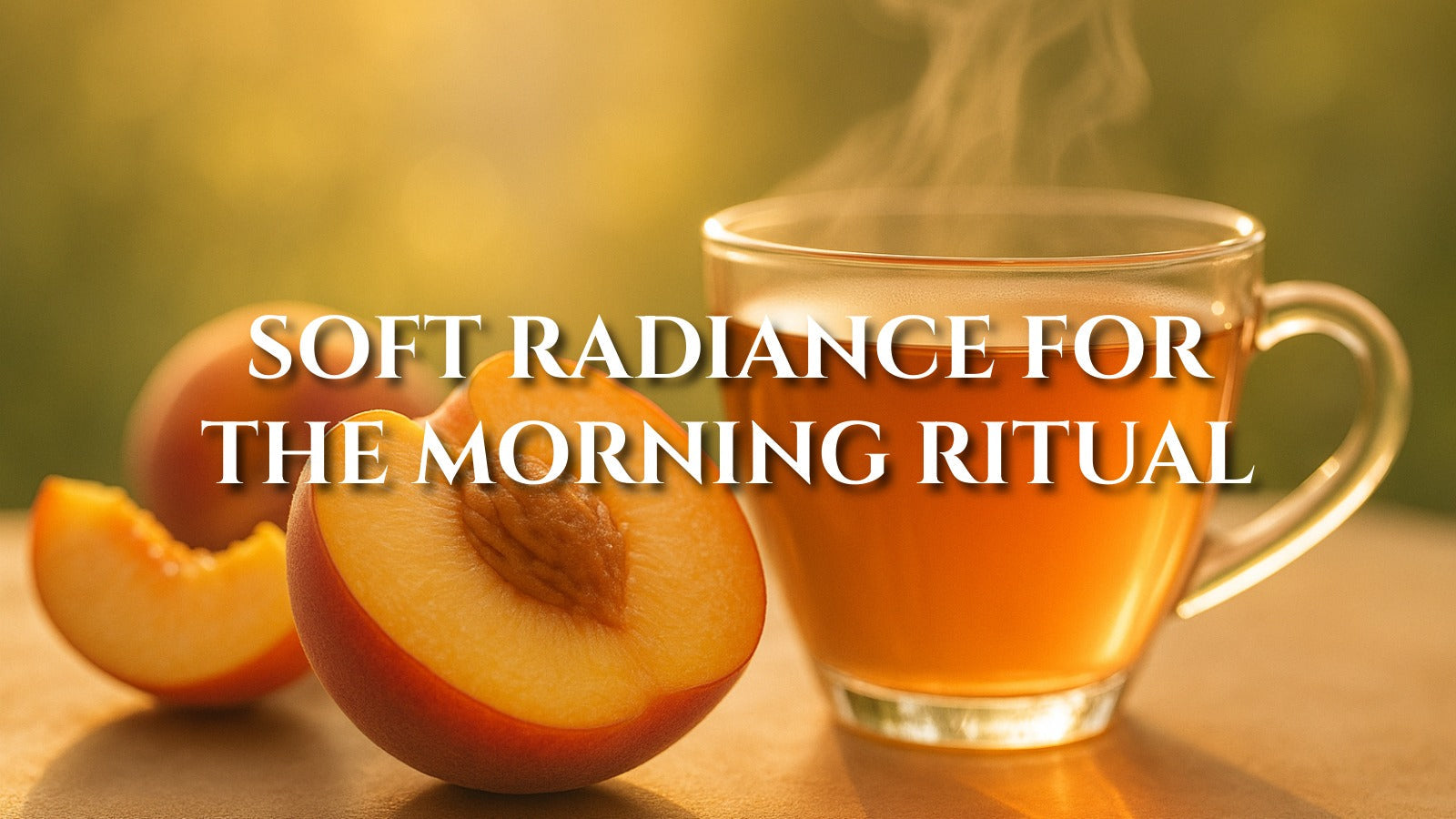
Holding a warm cup at dusk feels like acknowledging the turning of the day. Steam mingles with the last traces of light, the world outside begins to quiet, and the environment inside takes on a slower cadence. In this softened light, tea becomes a companion to transition—an object that anchors the moment and offers a sensory marker that the day is closing and something different is beginning.
Tea as a Marker of Returning Home
The transition into evening often begins with arrival. You step through the doorway, place your belongings down, and allow the outside world to recede. These small gestures form the quiet architecture of returning home, and tea naturally becomes part of this rhythm. Its preparation offers a simple, recognizable sequence that gives shape to the moment: filling the kettle, choosing a cup, selecting a blend whose character feels attuned to the hour.

There is something steadying in these familiar motions. Not in a functional sense, but in the way a repeated action provides a sense of continuity. The sound of water rising toward heat, the soft rustle of dried botanicals, and the subtle shift in posture as the kettle is lifted all contribute to a slower environmental tempo, reflecting how small, repeated gestures quietly shape the experience of the evening, explored further in Micro-Rituals: Simple Evening Practices.
When the tea is poured, the moment gathers. Warmth moves through the cup into the hands and offers a tactile acknowledgment of arrival. Steam curls upward and carries the aroma of florals, fruits, or warm spices into the air. These sensory cues do not guide the evening. They simply mark it. They create a small pocket of presence in which the pace of the day pauses and the atmosphere begins to shift into night.
In this sense, tea becomes a symbolic welcome. It stands as a ritual signpost that says: you are here now and the evening has begun.
The Sensory Language of Evening Tea
Evening tea is an experience shaped by the senses. Long before the first sip, the details of aroma, warmth, color, and steam begin to define the atmosphere of the moment. These sensory elements create a quiet shift that is felt in the space around you, not as an effect on the body, but as part of the environment itself.
Aroma is often the first element to appear. As dried botanicals meet hot water, the air changes. Floral notes drift upward with softness, warm spices deepen the surrounding space, and fruit notes offer a gentle brightness. Each scent becomes part of the room, signaling that the evening is unfolding and shaping the atmosphere in subtle ways, explored further in How Aroma Contributes to Evening Atmosphere.

Warmth is the next layer of the ritual. A cup held between the hands brings a sense of closeness. The simple act of feeling heat move through ceramic is enough to slow the pace of the moment. It invites a pause that is defined by temperature rather than thought, reflecting the broader ways warmth influences how evening feels, explored further in How Warm Tea Shapes the Atmosphere of the Evening.
Color and texture add their own quiet meanings. Golden infusions catch the fading light, ruby or amber tones gather depth at the bottom of the cup, and the surface shimmers as steam rises. These details ask for a different kind of attention, one that is unhurried and rooted in observation.
Together, these sensory qualities create the landscape of an evening tea ritual. They help shape an atmosphere where the day gently yields to night and where presence feels natural and unforced.
Cultural and Historical Patterns of Evening Tea
Across many cultures, tea has long been part of the quiet hours that follow the day’s activities. Although the traditions vary, the intention behind them often shares a familiar shape. People pause, gather, or sit alone with a warm cup as the light fades. These customs do not promise outcomes or effects. They simply recognize the human inclination to mark transitions with a meaningful gesture, a pattern that sits at the heart of the practices explored throughout Purely Rituals.
In parts of East Asia, tea in the later hours often carries a sense of hospitality. A cup offered in the evening is a way of welcoming conversation or signaling a peaceful close to the day. The preparation is deliberate and unhurried. It reflects a respect for pace and presence that mirrors ritual traditions found across cultures, where stillness and pause are used to bridge the ordinary and the sacred, as explored in The Rest Between Worlds: Rituals of Presence and Pause Across Cultures.

In Morocco, families may gather over a final pot of mint tea that brings the day’s rhythm to a gentle end. The act is communal. Voices soften, movements slow, and the blend becomes part of the evening’s natural cadence.

Throughout Europe, herbal infusions have been woven into nighttime customs for generations. Chamomile, linden, and other botanicals appear in households not as remedies, but as companions to the hours of dusk. The gesture of pouring a cup becomes a familiar part of settling into the night’s environment.
Taken together, these examples highlight a simple truth. Tea is often chosen for evening rituals because it carries a sense of continuity and meaning. It offers a consistent touchpoint within the flow of daily life and accompanies a moment when many cultures intentionally shift into a slower rhythm, a transition explored more fully in The Meaning of Stillness in Evening Rituals.
Choosing Botanicals for Evening Atmosphere
Selecting a botanical blend for the evening is less about purpose and more about the character you want the moment to hold. Each plant carries its own sensory personality, and these qualities shape the atmosphere surrounding the cup. Evening teas often draw on florals, warm spices, fruits, and gentle roots because their aromas and textures feel naturally suited to slower hours, a broader approach explored more fully in Choosing Botanicals for Your Evening Ritual.
Florals such as chamomile or linden create a soft and rounded presence. Their scents drift lightly and invite a quieter kind of attention. They bring a tenderness to the cup that aligns well with the dimming of the day, shaping atmosphere through aroma rather than intensity.

Warm spices like vanilla, carob, and cardamom add depth without sharpness. These botanicals unfold gradually, giving the infusion a sense of warmth that feels familiar and grounding rather than stimulating. Their presence helps contour the cup, a role explored more closely in Warm Spices in Evening Tea Rituals: Vanilla, Carob & Cardamom, where spice is understood as a background structure rather than a leading note.
Fruits such as fig, pear, or date introduce gentle sweetness. They brighten the cup in subtle ways and create a sense of evening indulgence that feels settled rather than energizing. This fruit-forward softness reflects a broader shift in how evening rituals evolve toward comfort and familiarity, explored further in How Evening Rituals Move Toward Warm and Familiar Flavors, and helps explain why these blends often take on dessert-like qualities, as discussed in Why Evening Dessert Teas Are Replacing Nighttime Snacks.
Roots such as marshmallow add smoothness and body. They contribute a velvety texture that lends weight to the moment and rounds out the blend.
Choosing among these botanicals is an act of shaping atmosphere. The blend becomes a small expression of how you want the evening to unfold. Each one brings its own color, scent, and structure, and these qualities help define the character of the ritual you are creating.
Tea as a Sensory Bridge Into Stillness
Evening often asks for a slower rhythm. Tea naturally becomes part of this shift because its preparation encourages a different pace. Nothing about the process is rushed. Water warms gradually, botanicals unfurl at their own tempo, and the cup changes from cool to warm as it fills. These simple details create a moment that feels distinct from the momentum of the day.
Stillness in this context is not an emotional state or a promised result. It is an atmosphere shaped by sensory qualities. The quiet sound of water being poured, the gradual rise of steam, and the gentle color spreading through the cup each contribute to a setting that feels unhurried, reflecting the underlying dynamics explored in The Psychology of Nighttime Rituals. The experience becomes a bridge between the last tasks of the day and the quiet tone of night.

The physical cues of the ritual add to this sense of transition. Hands lift the kettle, botanicals bloom in the water, and the cup is held with a steady and familiar weight. These actions encourage attention to the present moment simply because they unfold step by step.
In this way, tea does not create stillness. It reveals the stillness that is already possible at day’s end. The ritual offers a clear point of transition where the surrounding environment slows and the evening takes shape through sensory presence rather than intention or outcome.
Integrating Tea Into a Personal Evening Rhythm
An evening tea ritual does not need to be elaborate to feel meaningful. It grows naturally from consistency. Choosing a familiar cup, returning to the same quiet corner, or setting the kettle at a similar hour each night creates a gentle rhythm that helps define the closing part of the day, a process explored further in How to Create an Evening Tea Ritual. These repeated gestures form a pattern that feels steady through familiarity rather than effect.
The space you choose for your evening tea can influence the tone of the moment. A small table near a window, a favorite chair, or a dimly lit corner can all serve as simple environments for reflection. Soft textures, warm light, and unhurried movement contribute to an atmosphere that feels intentional and steady, echoing the quiet role of space in Creating a Cozy Tea Corner for Your Evening Rituals. Tea becomes the central object that ties these sensory details together.

Some people pair their evening tea with micro-rituals. These might include lighting a candle, placing a book nearby, arranging botanicals in a small bowl, or resting hands around the warm cup before taking a sip. None of these gestures are meant to accomplish anything. They exist simply to frame the moment and allow it to unfold at its own pace.
When integrated into daily life, this quiet ritual becomes a way of acknowledging the transition into evening. The repetition does not change the person. It changes the space around them and brings a sense of coherence to the final hours of the day.
A Companion to Nightfall’s Quiet Shift
Evening has a way of gathering its own sense of presence. Light fades, movement softens, and familiar spaces take on a gentler tone. Within this natural transition, tea offers a simple anchor. It does not change the night or promise any particular feeling. Instead, it accompanies the moment with warmth, aroma, and a steady sequence of gestures that invite awareness of the hours unfolding.

A cup prepared at dusk becomes a small expression of intention. It signals that the day is moving into its quieter chapter and that this passage deserves attention rather than haste. The sensory qualities of tea support this recognition. Steam rises, colors deepen, and the air around the cup shifts with the scent of botanicals chosen for their evening character, aligning naturally with the idea of a dedicated Ritual Hour Before Bed: How to End Your Day with Intention.
In the end, tea’s role in evening transitions is symbolic rather than functional. It marks a threshold that people across cultures have acknowledged for generations. It gives form to a moment that might otherwise pass unnoticed and allows the night to begin with a simple and beautiful ritual, revealing once again the deeper meaning explored in The Role of Tea in Evening Rituals.
Editorial Disclaimer
This content is for informational and educational purposes only. It reflects general perspectives on aroma, daily rituals, and related lifestyle practices. It is not intended to provide medical advice, diagnose conditions, or recommend treatments. Always consult a qualified healthcare professional with any questions about wellness or health-related matters.