Date Herbal Tea: Deep Caramel Sweetness Before Bed

Date, as used in herbal tea, typically comes from dried date fruit, valued for its natural sugars, dense flesh, and deep, caramel-like sweetness rather than brightness or freshness. Date enters the evening cup as depth with enclosure. Not lift, not lightness, and not a flavor that dissipates quickly. Its presence is rich and inward, carried through warmth, density, and a sense of fullness that feels steady rather than expansive. In a ritual context, date often feels like containment rather than transition, the moment when the day stops opening outward and begins to draw closed.
Date develops its sweetness through concentration and time. As the fruit dries, sugars intensify and structure becomes more compact, shaping how date behaves in tea. The sweetness is immediate but grounded, arriving with weight rather than clarity. Unlike lighter fruits, date does not move quickly across the palate. It settles early and remains present, giving the cup a sense of cohesion that feels deliberate rather than indulgent.
As daylight fades, the role of flavor continues to narrow. Where earlier evening blends may still soften or release, later hours often call for reassurance through substance. Within The Role of Tea in Evening Rituals, the evening cup is described as a gesture of holding rather than movement, offering warmth that stabilizes rather than shifts attention. Date aligns naturally with this role because it fills the cup without energizing it. The sweetness does not invite continuation or contrast. It reinforces a sense that enough has already been reached.

This quality becomes especially apparent during the deeper stages of evening. Night does not always ask for lightness or clarity. Often, it asks for grounding. In Evening Rituals and the Transition from Day to Night, tea is framed as a companion through this narrowing of attention, supporting the move from engagement into rest without abrupt closure. Date supports this transition by giving the cup density and reassurance, allowing the senses to settle into something solid rather than open.
Date is often associated with sweetness, but in evening tea it functions less as a highlight and more as an anchor. It deepens fruit profiles, steadies spice, and gives blends a sense of interior warmth that feels enclosed rather than expansive. When used well, date does not decorate the cup. It gives it gravity.
This article explores date as a star ingredient in evening tea through its natural depth, its ability to create enclosure without heaviness, and the way it supports the gradual closing of the day through richness rather than stimulation.
How Date’s Aroma Creates Warm Caramel Depth
The first impression of a date is often its sweetness, but in evening tea this sweetness is experienced as atmosphere before it is registered as flavor. Unlike sharper fruits whose aromas rise quickly and disperse, date releases its scent slowly and close to the cup. Notes of caramel, honey, and soft brown sugar do not project outward. They remain contained, settling into the space around the tea rather than filling it.

Date’s aroma moves with weight rather than volatility. The natural balance of glucose and fructose within the fruit produces a scent that unfolds gradually when warmed, shaped more by heat than by motion. As hot water meets dried date fruit, the aroma emerges in layers, low and steady, without a sharp edge or immediate peak. This creates a feeling of warmth that feels grounded and familiar rather than expressive or stimulating.
As steam rises, date’s fragrance blends seamlessly with the body of the tea. It does not separate into distinct notes or drift outward. The aroma remains unified, reinforcing the feeling that the cup is already complete. This way of experiencing scent as part of the surrounding atmosphere rather than as a focal point reflects the patterns explored in How Aroma Contributes to Evening Atmosphere, where aroma is understood as a subtle force that shapes perception without drawing attention to itself.
This quality defines date’s role in evening rituals. Its aroma does not prepare the senses for what comes next or invite further engagement. It affirms that the moment has already arrived. By remaining steady and contained, date helps the evening settle into itself, allowing warmth to linger quietly in the air as the day draws inward.
The Sensory Profile: Deep Amber Color and Caramel Sweetness
Date’s presence in the cup is expressed through depth and saturation rather than lightness or clarity. The infusion often appears darker and more opaque, even when brewed lightly. There is an immediate sense of visual weight. The cup feels grounded from the start, as though the liquid has already settled before it is tasted. This visual density prepares the senses for an experience that feels contained rather than open.

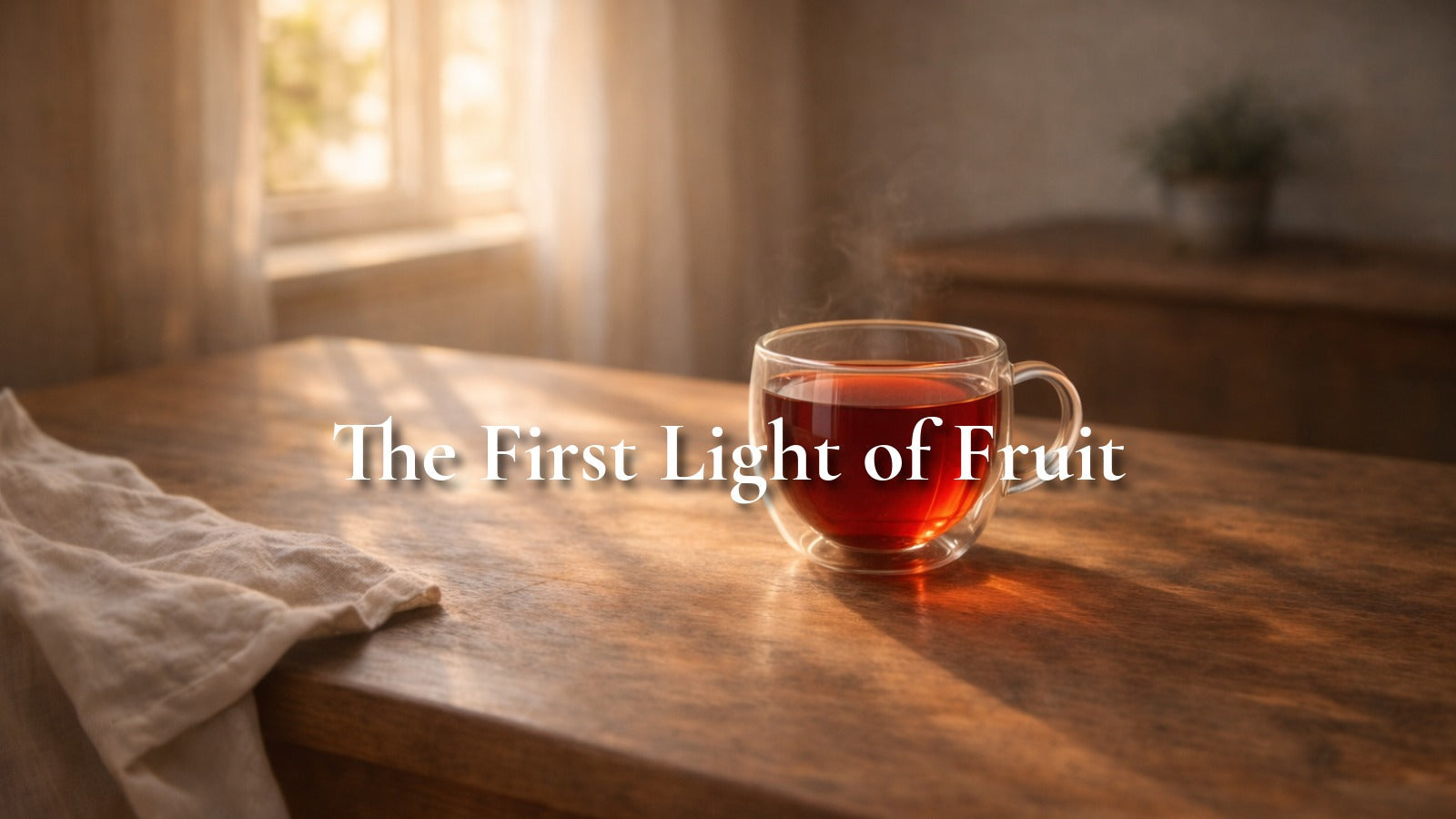
Unlike ingredients that brighten or clarify the cup, date absorbs light. In clear vessels, the liquid tends to take on deep amber or brown tones, with less reflection and more softness at the edges. The tea appears calm but substantial, giving the impression of fullness without heaviness. This visual grounding mirrors date’s role in the evening, where warmth does not lift or expand the experience but draws it inward. This way of understanding warmth as a visual and spatial quality rather than stimulation reflects the ideas explored in How Warm Tea Shapes the Atmosphere of the Evening, where warmth influences perception before flavor is fully registered.
The first sensory impression is one of substance. Before distinct flavor notes emerge, the cup already feels complete. The surface of the tea appears still and settled, with no suggestion of movement or progression. This creates a feeling of readiness that is not anticipatory or easing. The cup does not invite exploration. It offers presence.
This visual and sensory density is part of what makes date effective as an evening star ingredient. It signals that the tea is meant to hold attention rather than accompany it lightly. The experience begins with a sense of sufficiency already in place, offering depth and containment rather than openness or release.
Flavor Architecture and Mouthfeel
Date shapes the flavor of evening tea through depth rather than clarity or rounding. It arrives early in the sip and establishes a central presence that remains steady throughout. The flavor does not move quickly across the palate or retreat once registered. Instead, it settles into the middle of the sip, creating a sense of fullness that feels contained rather than expansive. Date does not open the cup or soften it. It grounds it.
In herbal tea, date is rarely used to introduce sweetness at the surface. Its role is to provide a core of richness that other ingredients organize themselves around. The sweetness feels integrated from the beginning, emerging as part of the body of the tea rather than as a distinct note. There is no clear rise or fall. The flavor holds its position, giving the cup a sense of continuity rather than progression.

On the palate, date carries a dark, fruit based sweetness that reads as ripe and concentrated rather than fresh. Its character is often perceived as warmth with substance, filling the center of the mouth with a soft density. When paired with lighter fruits, date draws their sweetness inward and gives it weight. When paired with florals or herbs, it prevents them from feeling thin or elevated. Date does not clarify other ingredients. It gives them gravity. This role reflects the principles described in The Structure of an Evening Tea Blend, where certain botanicals function as anchors, shaping how the sip holds together rather than how it begins.
Mouthfeel is where date’s influence becomes most pronounced. The tea feels fuller and more substantial, even when the liquid itself remains light. There is a gentle sense of thickness in presence rather than texture, creating a slower, more deliberate pace through the sip. The mouthfeel does not coat or cling, but it does linger, encouraging the drinker to pause rather than move quickly to the next sip.
After the sip, date remains quietly present. The finish is slow and inward, leaving a soft impression of fruit depth that fades gradually rather than releasing cleanly. This lingering quality is essential to date’s role in evening tea. It does not invite anticipation or refreshment. It reinforces a sense of sufficiency.
In this way, date functions as an anchoring element within the cup. It does not unify by smoothing or soften by easing edges. It holds the blend in place, ensuring that the experience feels substantial, settled, and complete, offering sweetness with weight and warmth with restraint.
Date in Evening Rituals: Caramel Depth and Slow Warmth
Within Purely Rituals, evening practices are understood not only as moments of easing, but also as moments of quiet recognition, times when the body acknowledges that enough has already been done. Date fits naturally into this later phase of the evening because it does not open the ritual. It affirms it. Its role is not to soften entry, but to signal that the day has reached a point of sufficiency.

Date supports the evening by providing a sense of nourishment rather than release. Its deep, familiar sweetness creates a feeling of having been met rather than invited. The first sip feels grounding, not because it slows the body deliberately, but because it removes the need to continue seeking stimulation. Evening rituals often rely on this sense of being fed rather than eased. Date offers that reassurance through fullness rather than lightness.
What distinguishes date in this role is its capacity to hold attention without drawing it inward. The cup feels contained rather than open. Sipping becomes slower not because the flavor fades, but because it remains present. There is no urgency to move on. This steady containment aligns with the settling mechanisms described in The Psychology of Nighttime Rituals, where sensory completeness helps the mind disengage from alertness without effort or instruction.
Across cultures, the later evening has often been marked by foods and drinks that emphasize nourishment and closure rather than transition. Reflections on stillness and completion, such as those explored in The Rest Between Worlds: Rituals of Presence and Pause Across Cultures, describe practices that honor the moment when activity has fully concluded, but rest has not yet begun. Date functions within this space. It does not guide the body toward stillness. It confirms that movement is no longer required.
Repetition plays a different role with date than it does with lighter botanicals. Date contributes to ritual continuity through reliability of depth. Its sweetness, weight, and lingering finish remain consistent from cup to cup, reinforcing the kind of steady reassurance described in Micro-Rituals: Simple Evening Practices, where small, repeated comforts signal safety through sufficiency rather than novelty.
Within the broader ritual framework of evening tea, date reflects the role described in The Role of Tea in Evening Rituals as a point of rest rather than invitation. The cup does not open the evening further. It holds it in place, allowing the final hours of the day to feel contained rather than unresolved.
In nightly practice, date becomes a companion to completion rather than unwinding. Its role is grounding, nourishing, and quietly affirming. The ritual does not move forward with date. It settles with it, allowing the evening to remain whole, one steady sip at a time.
Date in Blending: Caramel Sweetness and Grounded Depth
Date’s role within an evening blend becomes most apparent when viewed alongside the fruit, floral, herb, and base botanicals that surround it within the broader landscape of the Purely Herbarium. Each ingredient contributes its own sensory function, and date’s deep, concentrated sweetness provides a stabilizing center that allows these elements to settle rather than drift. Rather than creating openness or lift, date gives the cup gravity, helping the blend feel contained and sufficient.

This way of understanding botanical harmony reflects the principles explored in Choosing Botanicals for Your Evening Ritual, where evening blends prioritize cohesion, familiarity, and depth over contrast or progression. Date supports this structure by offering a sense of completion early in the cup, allowing other botanicals to express themselves without pulling the blend forward or outward.
Vanilla works alongside date by extending its warmth and softening its edges. Where date provides density and richness, vanilla introduces continuity, smoothing transitions across the sip without diluting date’s depth. Together, they create a sweetness that feels rounded and comforting rather than sharp or indulgent.
Cardamom introduces aromatic complexity against date’s richness. Its spice does not sit on top of the fruit, but is absorbed into date’s body, gaining warmth rather than intensity. The pairing feels integrated rather than contrasting, allowing spice to remain present without stimulating the palate.
Among florals, chamomile benefits from date’s grounding presence. Date gives chamomile’s apple-like softness weight and stability, preventing it from feeling airy or fleeting. The result is a cup that feels calm and nourishing rather than light or transient.
Lemon balm brings gentle freshness to the blend, and date ensures that this brightness remains contained. The herb’s citrus edge is softened by date’s sweetness, allowing clarity to appear without pulling the cup toward daytime alertness.
Linden blossom rests comfortably alongside date, contributing soft floral warmth that complements the fruit’s depth. Date keeps linden’s gentle sweetness grounded, reinforcing a sense of evening softness without diffusion or lift.
With base botanicals such as red rooibos, date’s richness gains structure. Rooibos provides an amber foundation that supports date’s sweetness from below, ensuring the cup feels steady and continuous from first sip to finish.
Honeybush amplifies date’s natural sweetness through its honeyed character. The two blend seamlessly, enhancing warmth and familiarity while maintaining a mellow, settled tone that feels nourishing rather than heavy.
Marshmallow root completes the composition by enhancing mouthfeel. Its velvety texture integrates easily with date’s density, giving the cup a soft, rounded physical presence that feels held rather than coated.
Across these pairings, date functions as an anchoring element rather than a connector or opener. It does not create space between botanicals. It gives them a place to rest. The result is an evening blend that feels substantial, contained, and quietly complete, offering nourishment without excess and depth without heaviness, well suited to repetition as the day comes to a close.
Date Origins, Drying, and Evening Tradition
Date is shaped by concentration rather than timing or transformation. Unlike fruits that depend on a brief window of ripeness, date develops its character through sustained maturation on the tree, where sugars slowly intensify as moisture recedes. This gradual concentration gives date its defining qualities: density, richness, and a sweetness that feels settled rather than fleeting. Its meaning is inseparable from accumulation rather than immediacy.

Across cultures, date has long been associated with nourishment, sustenance, and completion rather than indulgence. It appears in traditions where food is meant to restore rather than excite, offering energy and fullness in a compact form. Date does not signal abundance through excess. It signals adequacy through depth. Its sweetness is not decorative. It is functional, carrying weight and purpose without needing embellishment.
In tea, these qualities translate directly. Date does not brighten the cup or invite exploration. It fills it. Its sweetness feels dark and grounded, registering as substance rather than sensation. The flavor does not unfold gradually or recede quickly. It arrives with presence and remains steady. Date carries meaning not through subtlety or restraint, but through sufficiency, the sense that something essential has already been provided.
This lineage makes date especially suited to evening rituals shaped by containment rather than transition. The later hours often call not for openness or release, but for reassurance that the day has given enough. Reflections on stillness, such as those explored in The Meaning of Stillness in Evening Rituals, describe the evening as a time when striving can stop because nothing further is required. Date reflects this orientation through its character. It does not ask the body to slow down. It tells it that slowing down is already justified. In this way, date gives meaning to the evening not by signaling rest, but by affirming completion.
Date in Moonlight Stillness: Caramel Depth and Soft Warmth
Within the Purely Palette, evening blends are understood through the atmospheres they create rather than through individual ingredients alone. Date functions within this framework as a grounding and sustaining presence. Where some botanicals introduce softness or openness, date brings reassurance and depth. It appears where the goal of the blend is not transition or release, but fullness, steadiness, and a sense of having arrived.
In Moonlight Stillness™, part of the Velvet Amber Lane, date serves as a quiet stabilizer within the blend. Its caramel-like sweetness deepens the cup without drawing attention, reinforcing warmth while keeping the experience contained. Paired with vanilla and gentle florals, date provides density beneath the surface, ensuring the sweetness feels settled rather than airy. This role aligns with the dessert-inspired warmth explored in Velvet Amber Lane: Deep Warmth and Soft Sweetness in Evening Tea Rituals, where richness supports stillness rather than indulgence.
Within the Evening Ritual Collection, date functions as a signal of sufficiency rather than closure. It does not gently unwind the day or open space for what comes next. It affirms that the day has already given enough. Through its depth and steady sweetness, date supports rituals built around reassurance, nourishment, and quiet containment. Its presence makes the evening feel held, allowing rest to follow naturally without being invited or instructed.
A Deep Caramel Finish for the Before-Bed Cup
Date belongs to the evening because it satisfies rather than softens. Its sweetness does not drift or fade gently. It settles with weight. What it offers the cup is a sense of having received enough, a flavor that feels complete without needing to be prolonged or revisited.
As the final sips pass, date does not lift away. Its impression remains grounded and steady, leaving behind a quiet caramel depth that feels nourishing rather than lingering. The experience does not taper or open outward. It closes inward, creating a natural pause that does not ask for continuation. This quality reflects The Role of Tea in Evening Rituals, where the cup sometimes functions not as a gentle easing, but as a point of containment that allows the day to rest without negotiation.

In this way, date becomes more than a source of sweetness in evening tea. It becomes a marker of sufficiency. The ritual does not unwind around it or remain open ended. It settles, held by fullness rather than by quiet. This orientation aligns with reflections in Ritual Hour Before Bed: How to End Your Day with Intention, where some evening gestures serve not to soften the day, but to close it with intention and care.
This is the role date plays in the evening. Not lightness, not release, but grounded reassurance. A flavor that holds the ritual firmly enough for the day to end, without needing to be carried any further.
Editorial Disclaimer
This content is for informational and educational purposes only. It reflects general perspectives on herbal tea, sensory rituals, and related lifestyle practices. It is not intended to provide medical advice, diagnose conditions, or recommend treatments. Always consult a qualified healthcare professional with any questions about wellness or health-related matters.